
The Everest Base Camp Trek is much more than a journey towards the foot of the world’s highest mountain. Along the trail, trekkers encounter traditional Sherpa villages, ancient Buddhist monasteries, dramatic Himalayan viewpoints, deep river valleys, alpine landscapes and some of the most impressive glaciers in the world. Every section of the route reveals a different aspect of the Khumbu region.
The Everest Base Camp attractions are among the biggest reasons this trekking journey remains one of Nepal’s most celebrated adventures. From the lively mountain town of Namche Bazaar and the peaceful surroundings of Tengboche Monastery to the spectacular views from Kala Patthar, the trail offers a remarkable combination of natural beauty, cultural heritage and high-altitude exploration.
Whether you are planning your first Everest Base Camp adventure or researching the best places to visit in the Everest region, understanding the attractions along the route helps you appreciate more than just the final destination.
This guide explores 17 notable places, including their locations, approximate elevations, geographical features, cultural significance, sightseeing opportunities and optional side trips.
Why the Everest Base Camp Trek Is Famous for Its Attractions
The Everest Base Camp route passes through one of the most geographically diverse and culturally significant mountain regions in Nepal. Its attractions are not limited to high peaks. The journey combines natural landmarks, historic settlements, Buddhist heritage and spectacular mountain scenery.
Five elements make the route particularly special.
1. Extraordinary Himalayan Mountain Scenery
The Khumbu region is surrounded by some of the world’s most recognisable Himalayan peaks. Mount Everest dominates the region, while Lhotse, Nuptse, Ama Dablam, Thamserku and Pumori create an impressive mountain skyline.
Different sections of the trail offer different perspectives. The views from Namche Bazaar, Tengboche, Dingboche and Kala Patthar are particularly memorable.
2. Traditional Sherpa Settlements
The trek travels through settlements that are closely connected to Sherpa communities and Himalayan mountain life.
Namche Bazaar, Khumjung, Khunde and Pangboche are important places to learn about local architecture, community life, mountain tourism and cultural heritage.
3. Buddhist Monasteries and Spiritual Landmarks
Buddhism is an important part of the cultural landscape of the Everest region. Monasteries, mani walls, prayer wheels and prayer flags are visible along many sections of the trail.
Tengboche Monastery is among the best-known religious landmarks, while Pangboche and Khumjung also offer opportunities to explore the region’s Buddhist heritage.
4. Glaciers, Rivers and Alpine Landscapes
The landscape changes considerably as the trail gains elevation. Lower sections feature forests, river valleys and suspension bridges. Higher sections become increasingly rocky and alpine.
The Dudh Koshi River, Imja Valley, Khumbu Glacier and Khumbu Icefall are some of the most remarkable geographical features along the journey.
5. Famous Himalayan Viewpoints
The route provides several opportunities to appreciate the mountains from different elevations.
- Everest View Hotel: A popular viewpoint above Namche Bazaar.
- Tengboche: Known for its monastery and mountain backdrop.
- Nangkartshang Hill: A rewarding acclimatisation hike above Dingboche.
- Kala Patthar: A celebrated viewpoint for seeing Mount Everest and neighbouring peaks.
These locations make the trek rewarding even before reaching Everest Base Camp.
17 Best Everest Base Camp Attractions You Shouldn’t Miss
The following attractions follow the general progression of the classic Everest Base Camp route, with optional destinations identified separately. Elevations are approximate. Trail conditions, route variations and local measurements can produce small differences.
| Attraction | Approx. elevation | Route classification |
|---|---|---|
| Lukla | 2,860 m | Standard route |
| Phakding | 2,610 m | Standard route |
| Monjo | 2,835 m | Standard route |
| Namche Bazaar | 3,440 m | Standard route |
| Everest View Hotel | 3,880 m | Side hike |
| Khumjung Village | 3,790 m | Side hike |
| Khunde Village | 3,840 m | Side hike |
| Tengboche Monastery | 3,860 m | Standard route |
| Pangboche Village | 3,900 m | Standard route |
| Dingboche | 4,410 m | Standard route |
| Chhukung Valley | 4,730 m | Optional side trip |
| Lobuche | 4,940 m | Standard route |
| Gorak Shep | 5,164 m | Standard route |
| Everest Base Camp | 5,364 m | Standard route |
| Kala Patthar | 5,545 m | Optional viewpoint hike |
| Khumbu Glacier | Varies | Along the upper route |
| Khumbu Icefall | Approximately 5,500 m | Visible from selected viewpoints |
1. Lukla – Gateway to the Everest Region
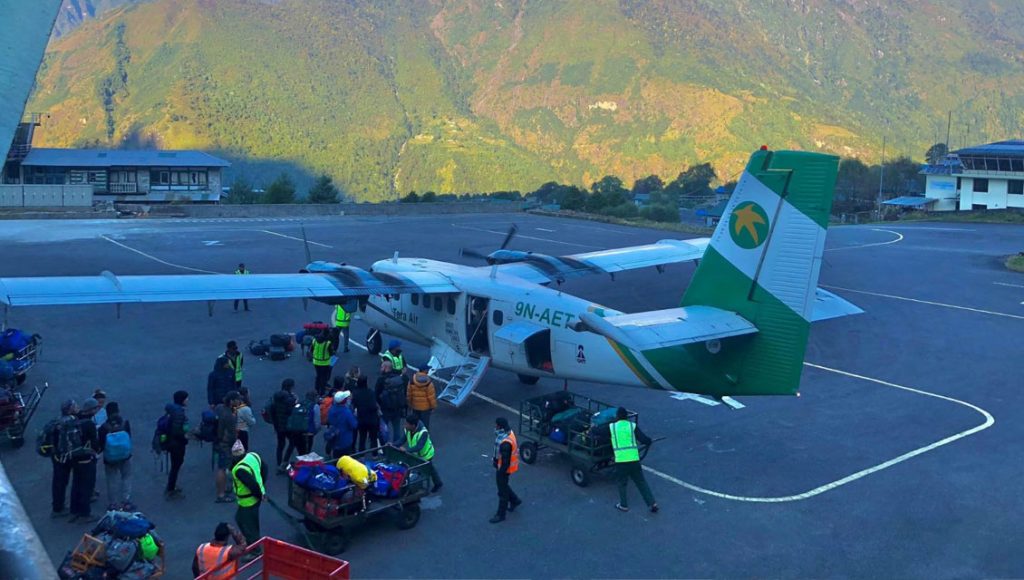
Elevation: Approximately 2,860 m
Location: Solukhumbu District, eastern Nepal
Route: Starting point of the classic Everest Base Camp Trek
Separate side trip: No
Lukla is the traditional gateway to the Everest region and the starting point of many classic Khumbu trekking itineraries. Its Tenzing-Hillary Airport is particularly famous for its short mountain runway and dramatic Himalayan surroundings.
The settlement has developed into an important trekking centre, providing accommodation, restaurants, equipment shops and services for visitors and trekking teams.
What makes Lukla special?
- The famous Tenzing-Hillary Airport.
- Views of surrounding Himalayan hills and mountains.
- Traditional Sherpa settlements and mountain architecture.
- A lively atmosphere created by trekkers, guides and porters.
- Access to the Dudh Koshi Valley trekking route.
For many visitors, arriving in Lukla marks the beginning of their first real Himalayan trekking experience.
Photography tip: Photograph the mountain airstrip, surrounding hills and the traditional village environment. Flight operations are weather-dependent, so allow contingency time in your itinerary.
2. Phakding – The Scenic Dudh Koshi River Valley
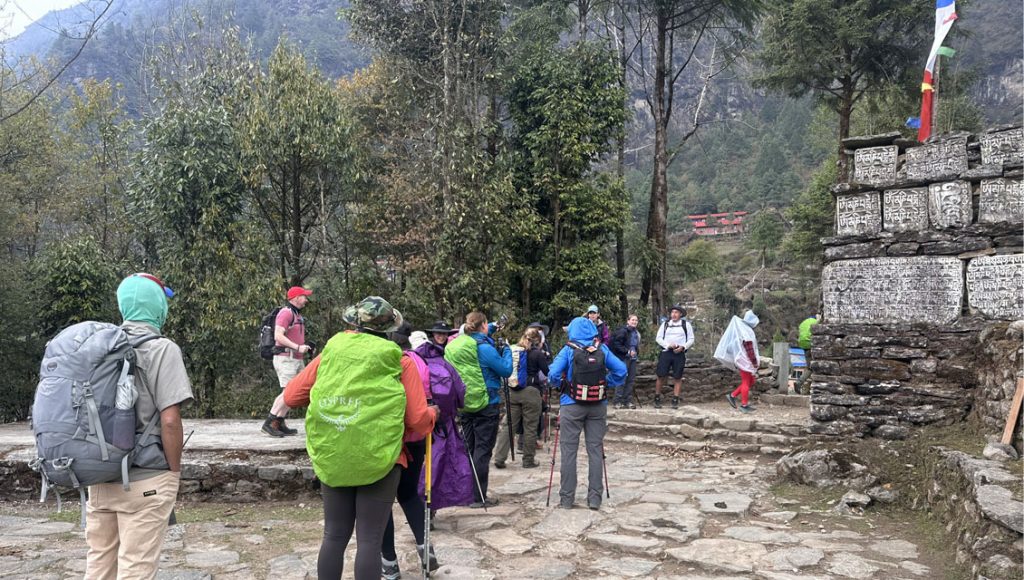
Elevation: Approximately 2,610 m
Location: Dudh Koshi Valley
Route: Lukla to Phakding
Separate side trip: No
Phakding is one of the first overnight settlements on the Everest Base Camp Trek. Located beside the Dudh Koshi River, it offers a peaceful introduction to the landscapes and settlements of the Khumbu region.
The trail from Lukla descends through small villages, pine forests and cultivated areas before reaching Phakding.
What can you experience here?
- Walk alongside the Dudh Koshi River.
- Cross suspension bridges decorated with prayer flags.
- Observe traditional mountain settlements.
- Enjoy views of forested hills and river landscapes.
- Experience your first overnight stay in a Himalayan teahouse.
Phakding is also an important place to begin adjusting to the trekking routine before the more demanding ascent towards Namche Bazaar.
Photography tip: The riverbanks, suspension bridges and surrounding green hills provide excellent opportunities for landscape photography.
3. Monjo – Entrance to Sagarmatha National Park
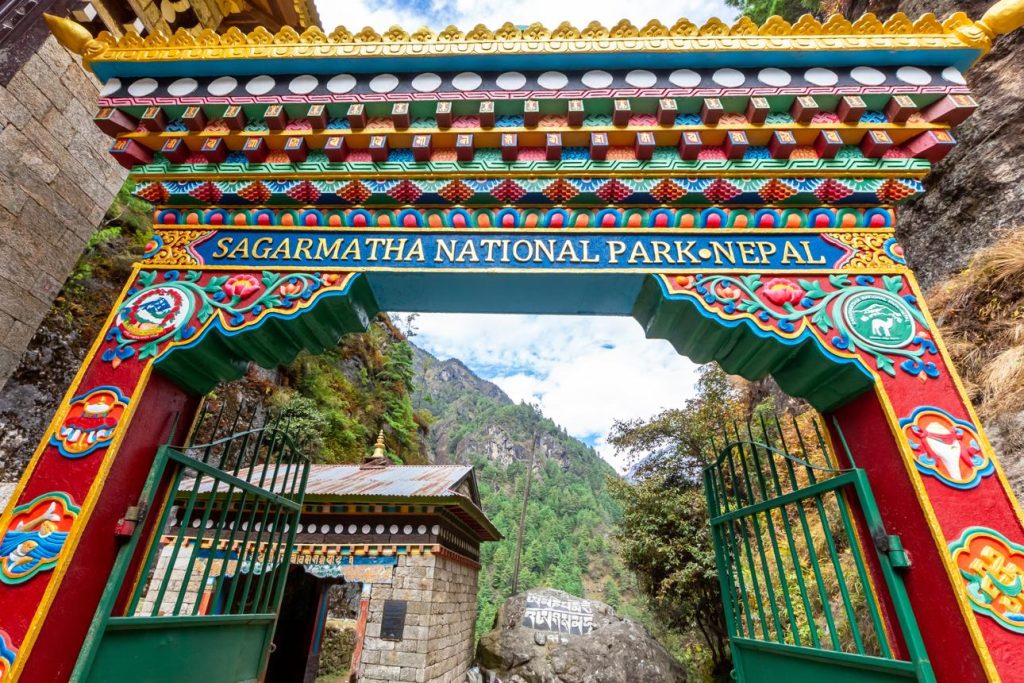
Elevation: Approximately 2,835 m
Location: Dudh Koshi Valley, north of Phakding
Route: Between Phakding and Namche Bazaar
Separate side trip: No
Monjo is an important settlement on the approach to Namche Bazaar and is associated with the entrance to Sagarmatha National Park.
Established in 1976, Sagarmatha National Park protects a remarkable Himalayan environment containing glaciers, deep valleys, high mountain ecosystems and important wildlife habitats. UNESCO recognised the park as a World Heritage Site in 1979.
The park covers approximately 1,148 square kilometres according to its official management authority.
What makes Monjo worth visiting?
- The Sagarmatha National Park entrance area.
- Mountain river scenery.
- Traditional villages and stone-built structures.
- Forest landscapes and changing vegetation.
- An opportunity to learn about conservation in the Everest region.
The entrance area is also an important checkpoint for trekking documentation. Visitors should carry the permits required for their particular itinerary.
Photography tip: Capture the park entrance, surrounding mountain landscape and suspension bridges along the Dudh Koshi.
4. Namche Bazaar – The Sherpa Capital
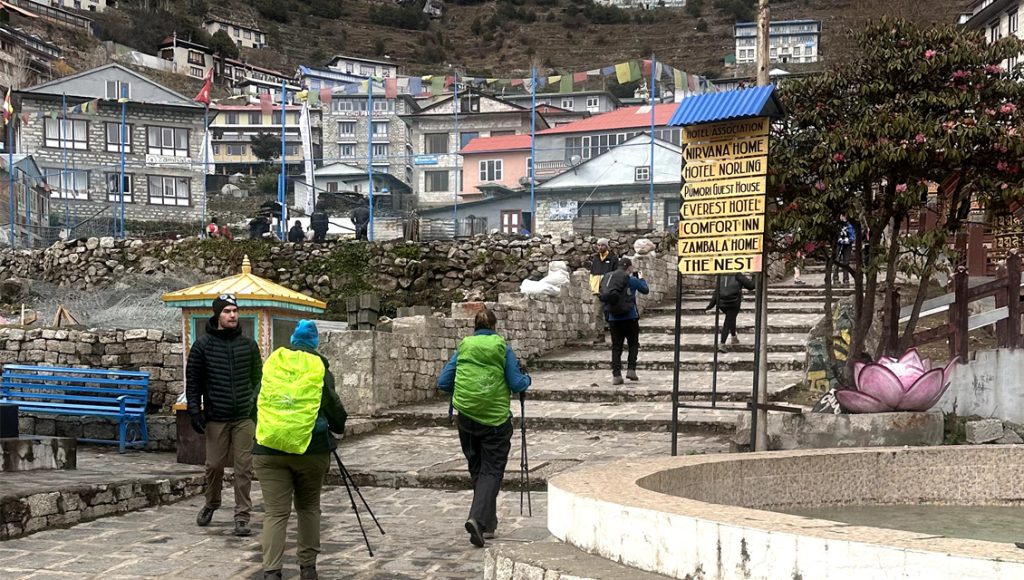
Elevation: Approximately 3,440 m
Location: Khumbu region
Route: Standard Everest Base Camp Trek
Separate side trip: No, but nearby viewpoints and villages require additional hiking.
Namche Bazaar is one of the most famous attractions in the Everest region. Built along a natural mountain slope, this bustling settlement serves as an important commercial, cultural and trekking centre for the Khumbu.
It is often described as the gateway to the higher Everest region because most trekkers spend at least one additional night here for acclimatisation.
Namche offers a combination of traditional mountain life and modern trekking facilities. Visitors can find teahouses, bakeries, restaurants, equipment shops and small markets.
Top things to see in Namche Bazaar:
- Sherpa Culture Museum: Learn about Sherpa heritage and mountaineering history.
- Namche Monastery: Explore the local Buddhist religious environment.
- Local market: Experience the settlement’s commercial atmosphere.
- Everest viewpoints: Enjoy mountain scenery from elevated areas around town.
- Cafés and bakeries: Relax during the acclimatisation period.
Namche is also a convenient starting point for exploring Khumjung, Khunde and the Everest View Hotel.
Photography tip: The curved settlement, colourful buildings and mountain backdrop make Namche one of the most recognisable photographic locations on the trek.
5. Everest View Hotel – A Panoramic Himalayan Viewpoint
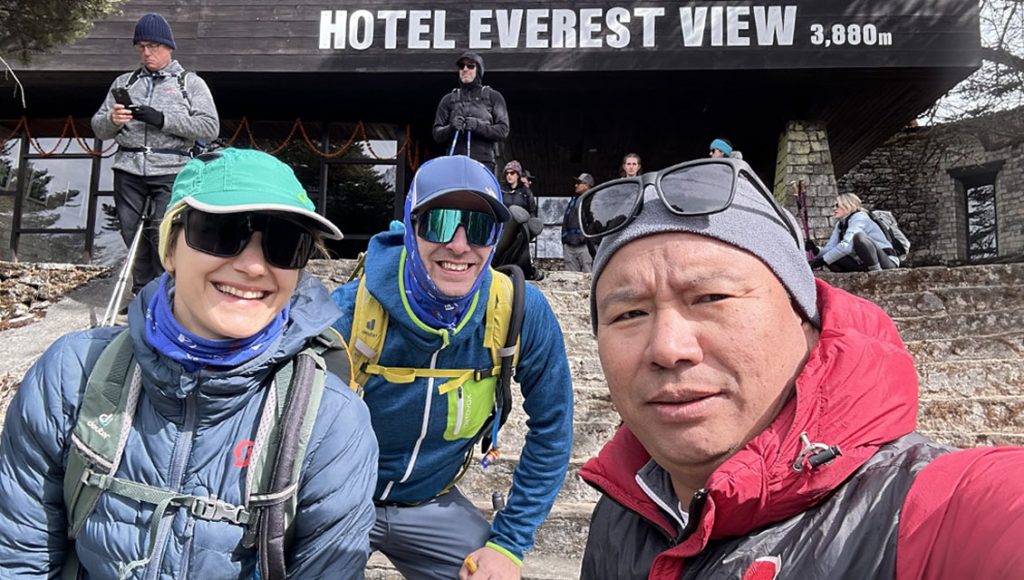
Elevation: Approximately 3,880 m
Location: Syangboche, above Namche Bazaar
Route: Optional hike from Namche
Separate side trip: Yes
The Everest View Hotel is one of the best-known viewpoints in the Everest region.
Situated above Namche Bazaar, the hotel provides a panoramic perspective of the surrounding Himalayan landscape. On clear days, visitors may see Mount Everest, Lhotse, Nuptse, Ama Dablam and other prominent peaks.
The hike to the hotel is a popular acclimatisation activity for trekkers staying in Namche.
Why visit Everest View Hotel?
- Panoramic views of the Himalayan mountain range.
- A different perspective of Mount Everest.
- Opportunities to photograph Ama Dablam and neighbouring peaks.
- An opportunity to enjoy refreshments in a remarkable mountain setting.
- A rewarding excursion during the Namche acclimatisation day.
Photography tip: Morning is often a good time to look for clearer mountain conditions, although visibility always depends on the weather.
6. Khumjung Village – A Traditional Sherpa Settlement
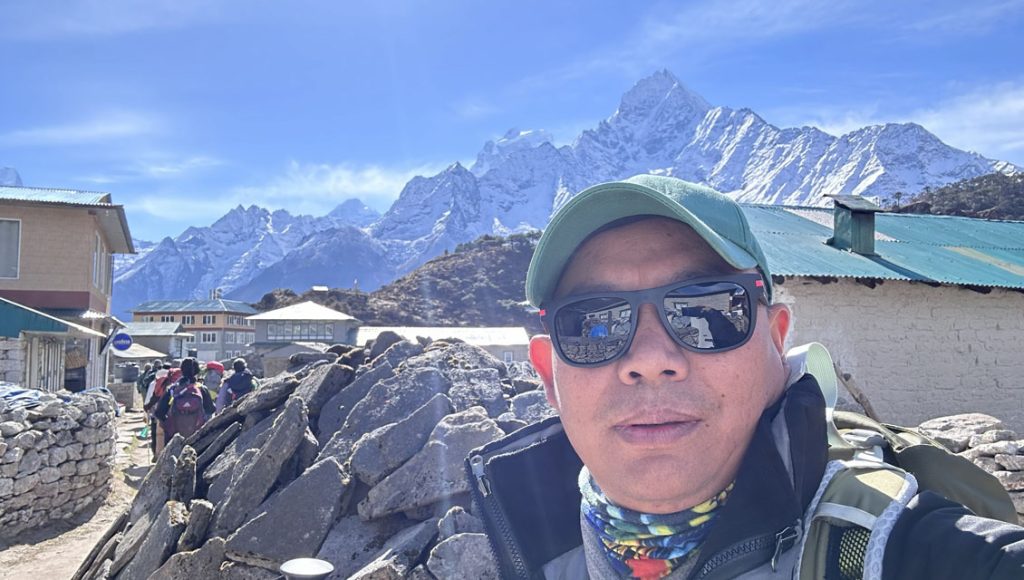
Elevation: Approximately 3,790 m
Location: Khumbu region, above Namche Bazaar
Route: Optional side trip from Namche
Separate side trip: Yes
Khumjung is a traditional Sherpa settlement situated in a beautiful mountain valley above Namche Bazaar. It provides a closer look at the residential and cultural landscape of the Khumbu.
Unlike the busier trekking centre of Namche, Khumjung has a quieter village atmosphere. Its stone houses, agricultural surroundings and mountain scenery make it a worthwhile destination during an acclimatisation excursion.
Main attractions in Khumjung:
- Khumjung Monastery, an important local Buddhist landmark.
- Traditional stone-built Sherpa houses.
- Views of Khumbila and surrounding mountain landscapes.
- Village pathways and agricultural areas.
- Opportunities to learn about local community life.
The village is also associated with Khumbila, a mountain that holds religious significance for local Sherpa communities.
Photography tip: Capture the village from an elevated viewpoint to show its traditional buildings within the surrounding Himalayan landscape.
7. Khunde Village – A Cultural and Mountain Community
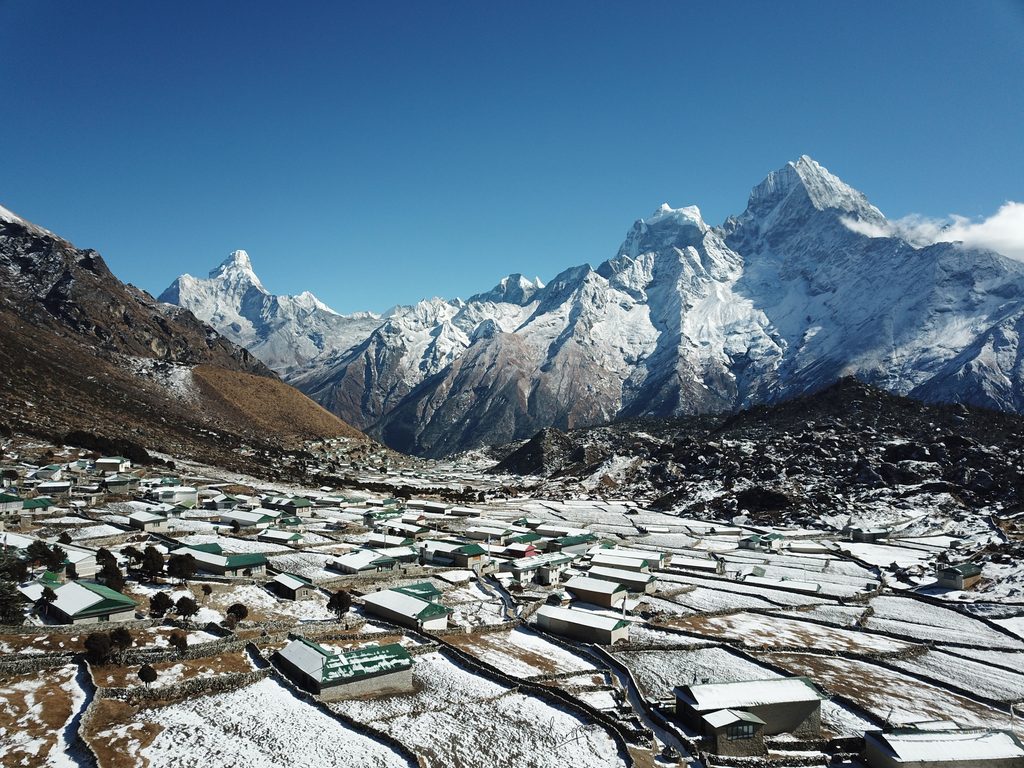
Elevation: Approximately 3,840 m
Location: Near Khumjung and Namche Bazaar
Route: Optional side trip from Namche
Separate side trip: Yes
Khunde is another important Sherpa settlement near Namche Bazaar. It can be visited together with Khumjung during an acclimatisation hike.
The village is known for its traditional buildings and community environment. It also has a long association with Himalayan healthcare and community development.
One notable landmark is Khunde Hospital, established through the Himalayan Trust’s work in the region.
What makes Khunde interesting?
- Traditional Sherpa architecture.
- Khunde Hospital and its community role.
- Views of surrounding Himalayan mountains.
- A quieter village experience.
- Opportunities to understand everyday life in the Khumbu.
Visiting Khunde alongside Khumjung provides a broader understanding of the settlements surrounding Namche Bazaar.
Photography tip: Focus on the stone houses, village pathways and surrounding mountain scenery while respecting residents’ privacy.
8. Tengboche Monastery – An Important Buddhist Landmark
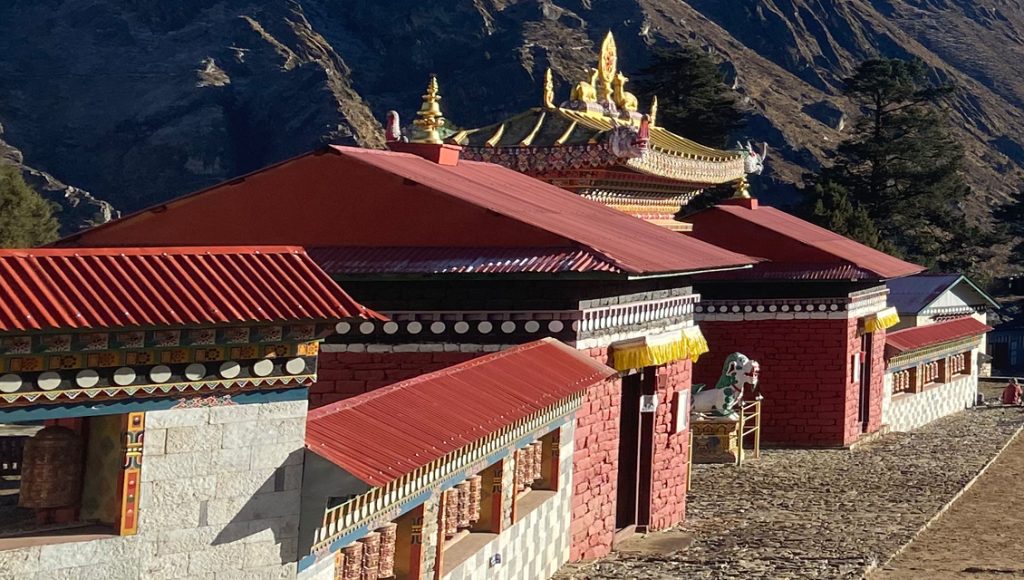
Elevation: Approximately 3,860 m
Location: Tengboche, Khumbu region
Route: Standard Everest Base Camp Trek
Separate side trip: No
Tengboche Monastery is among the most recognisable cultural attractions along the Everest Base Camp route.
Located on an elevated ridge, the monastery is surrounded by a remarkable Himalayan landscape. Its setting, with Ama Dablam and other major peaks in the background, makes it one of the most photographed religious landmarks in Nepal.
The monastery is an important centre of Buddhist religious life in the Khumbu and hosts religious gatherings and ceremonies.
What can visitors experience?
- Explore the monastery’s exterior and permitted interior areas.
- Learn about Buddhist religious practices.
- Observe traditional monastery architecture.
- Enjoy views of Ama Dablam, Everest and neighbouring peaks.
- Experience the peaceful atmosphere of the surrounding settlement.
Visitors should follow monastery rules, ask permission before taking photographs inside and avoid interrupting religious activities.
Photography tip: The monastery with Ama Dablam in the background is one of the classic photographic compositions on the Everest Base Camp Trek.
9. Pangboche Village – Traditional Himalayan Heritage
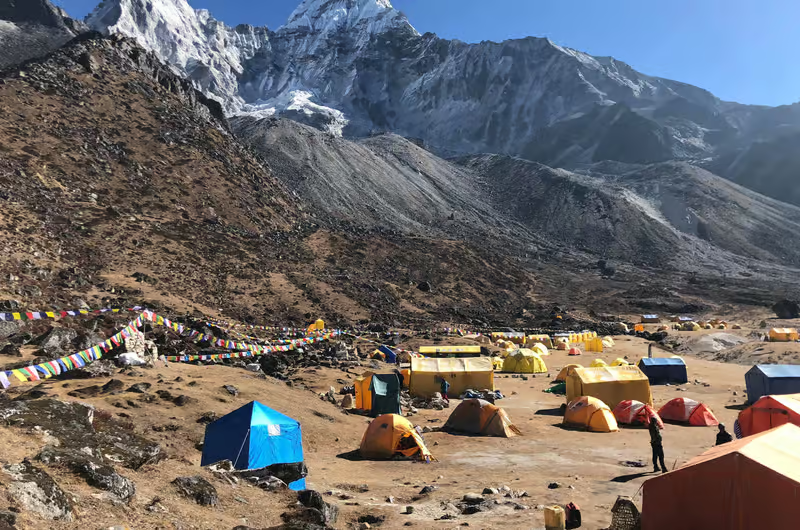
Elevation: Approximately 3,900 m
Location: Imja Valley
Route: Standard Everest Base Camp Trek
Separate side trip: No
Pangboche is an important traditional settlement between Tengboche and Dingboche. It is particularly interesting for visitors seeking to understand the historical and cultural landscape of the upper Khumbu.
The village is closely associated with Pangboche Monastery, one of the notable Buddhist religious sites in the Everest region.
The surrounding landscape also offers impressive views of Ama Dablam and the surrounding Himalayan terrain.
Things to explore in Pangboche:
- Pangboche Monastery.
- Traditional stone houses.
- Local Buddhist cultural heritage.
- Views of Ama Dablam.
- The transition from forested trails to higher alpine landscapes.
Pangboche is an excellent place to appreciate the connection between traditional settlements and the mountain environment.
Photography tip: The monastery and village landscape provide particularly interesting cultural photography opportunities.
10. Dingboche – A Beautiful Alpine Settlement
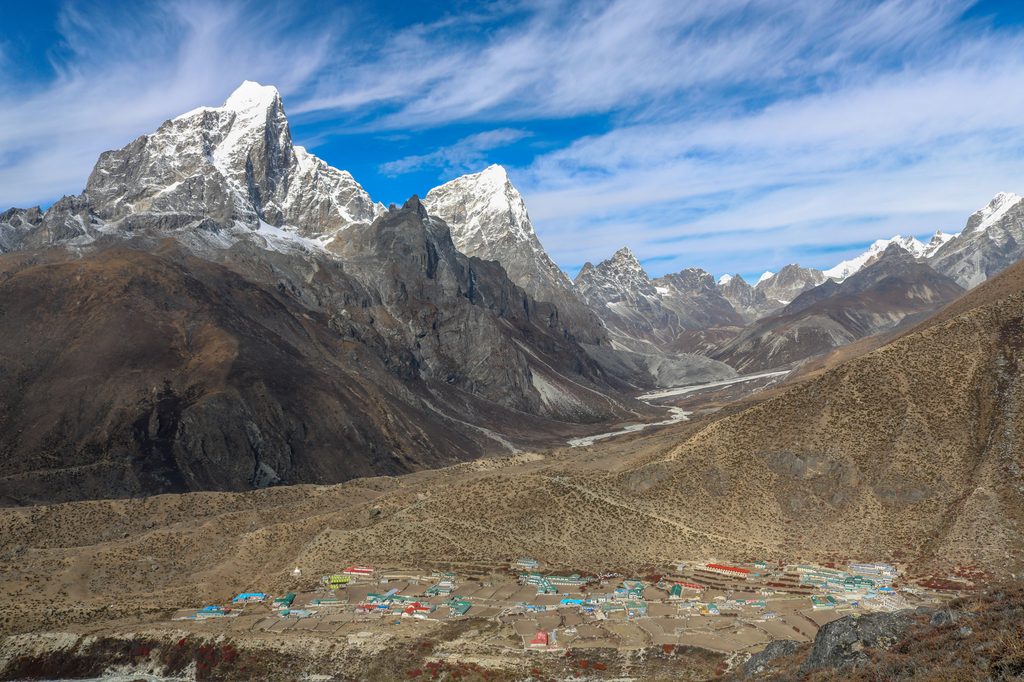
Elevation: Approximately 4,410 m
Location: Imja Valley
Route: Standard Everest Base Camp Trek
Separate side trip: No
Dingboche is one of the most important settlements on the upper Everest Base Camp route. Located in the Imja Valley, it is surrounded by dramatic mountain landscapes and traditional stone-walled agricultural fields.
As trekkers gain altitude, the vegetation becomes increasingly sparse and the landscape more rugged. Dingboche provides an opportunity to appreciate this transition into the high-altitude Himalayan environment.
It is also a major acclimatisation stop on many Everest Base Camp itineraries.
Top attractions around Dingboche:
- Views of Ama Dablam.
- The surrounding Imja Valley.
- Traditional stone-walled fields.
- Views of Island Peak and Lhotse.
- Hiking routes towards Nangkartshang Hill.
Photography tip: The stone walls and open alpine landscape provide excellent foreground elements for mountain photography.
11. Chhukung Valley – Dramatic Mountain Scenery
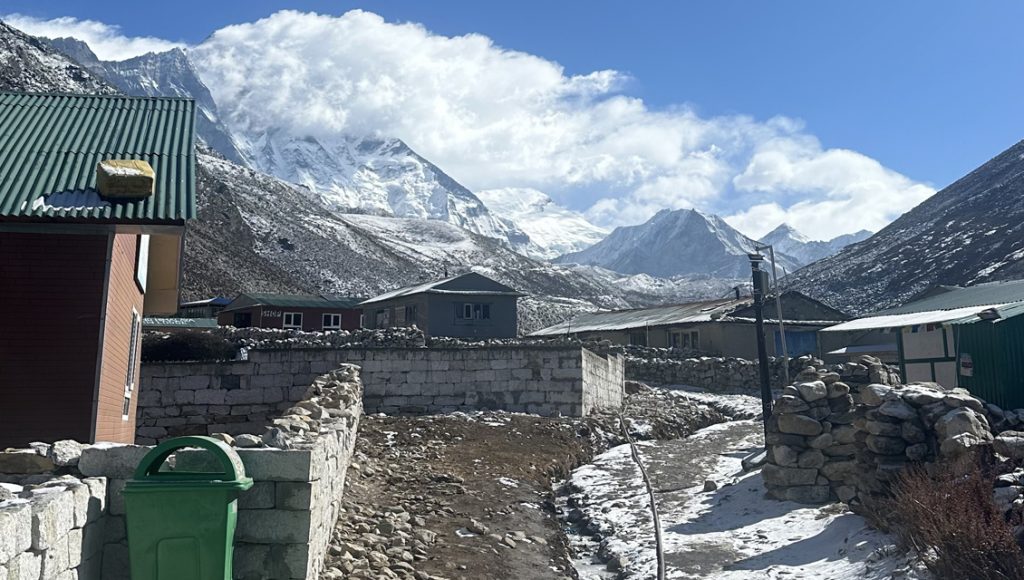
Elevation: Approximately 4,730 m
Location: Upper Imja Valley, beyond Dingboche
Route: Optional extension from Dingboche
Separate side trip: Yes
Chhukung Valley is one of the most impressive optional destinations near the standard Everest Base Camp route.
Located beyond Dingboche, the valley offers close-up views of dramatic mountain formations, glaciers and high-altitude terrain. It is particularly popular with trekkers interested in exploring the Island Peak area.
The settlement also serves as an access point for mountaineering approaches towards Island Peak and routes involving Kongma La.
What makes Chhukung special?
- Impressive views of Island Peak.
- Dramatic views of Lhotse’s southern face.
- High-altitude glacial landscapes.
- Access to the upper Imja Valley.
- Opportunities for additional acclimatisation hikes.
Chhukung is not included in every standard Everest Base Camp itinerary, so visitors should allow additional time if they want to explore it.
Photography tip: The mountain walls and rugged valley scenery are particularly impressive in clear weather.
12. Lobuche – A Historic High-Altitude Trekking Settlement
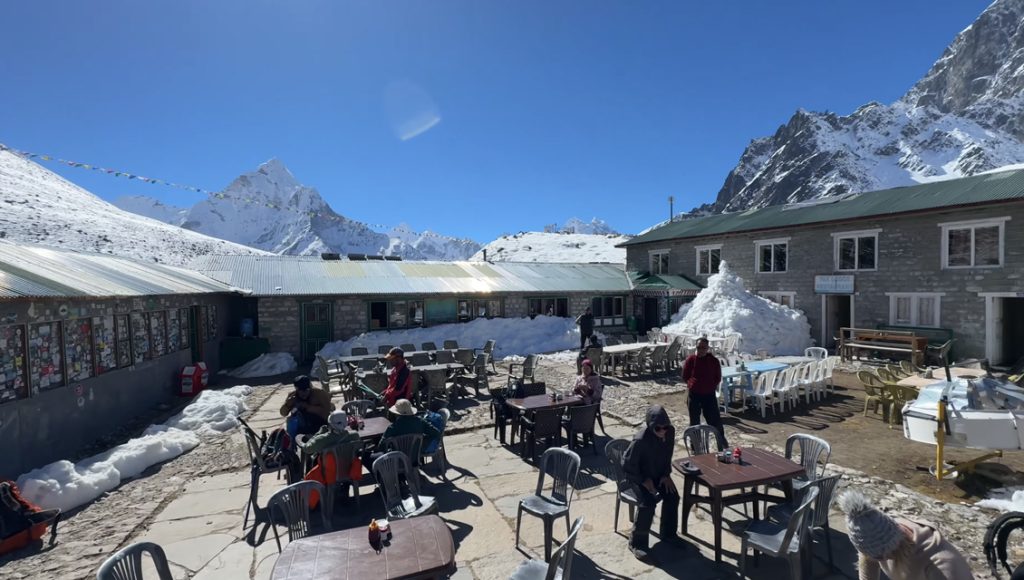
Elevation: Approximately 4,940 m
Location: Upper Khumbu, near the Khumbu Glacier
Route: Standard Everest Base Camp Trek
Separate side trip: No
Lobuche is one of the final overnight settlements before reaching Gorak Shep and Everest Base Camp.
Situated near the lateral moraine of the Khumbu Glacier, the settlement has a stark high-altitude environment characterised by rocky terrain, exposed slopes and impressive mountain surroundings.
The area is also associated with the memorials near Thukla Pass, which commemorate mountaineers who lost their lives on Himalayan expeditions.
What can you see near Lobuche?
- Khumbu Glacier and its surrounding moraine.
- Memorials at Thukla Pass.
- Views of Nuptse and neighbouring peaks.
- Rugged Himalayan terrain.
- High-altitude trekking settlements.
Lobuche is an important staging point before the demanding final approach to Everest Base Camp.
Photography tip: The contrast between rocky terrain, glacier formations and surrounding snow-covered peaks creates dramatic landscape photographs.
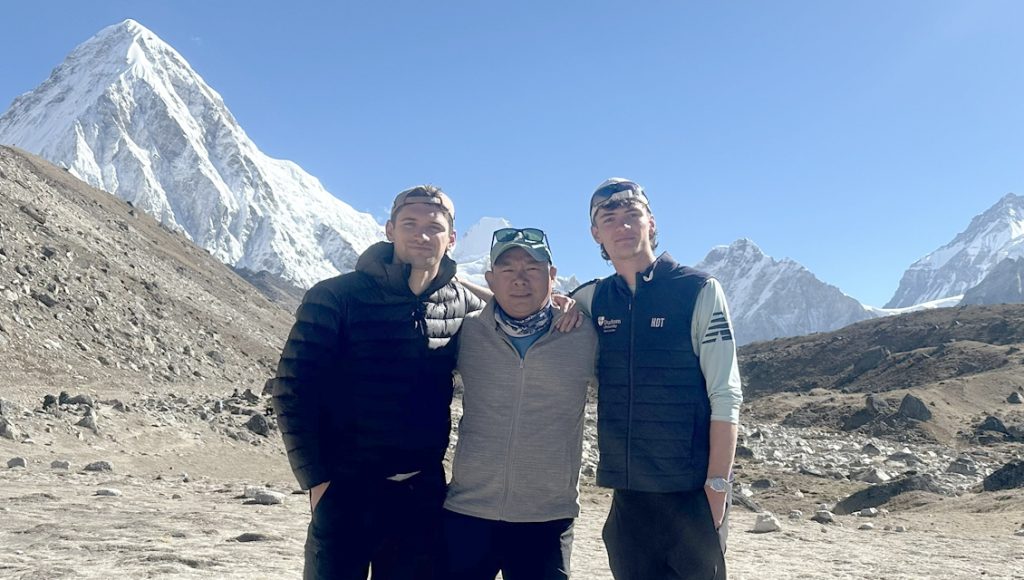
13. Gorak Shep – Gateway to Everest Base Camp
Elevation: Approximately 5,164 m
Location: Upper Khumbu, below Kala Patthar
Route: Standard Everest Base Camp Trek
Separate side trip: No
Gorak Shep is the last overnight settlement on the classic Everest Base Camp route. Located on a high-altitude sandy and rocky plain, it provides access to both Everest Base Camp and Kala Patthar.
The landscape is noticeably different from the greener valleys encountered earlier in the trek. Vegetation is scarce, and the surroundings are dominated by glaciers, moraine and towering mountain peaks.
Why is Gorak Shep important?
- It is the usual overnight stop before visiting Everest Base Camp.
- It provides access to Kala Patthar.
- It offers views of surrounding Himalayan peaks.
- It is a key location for preparing for the final high-altitude walks.
Because of its elevation, visitors should follow a sensible acclimatisation schedule and their guide’s advice.
Photography tip: The open landscape and surrounding peaks offer striking views, particularly when the light changes around sunrise and sunset.
14. Everest Base Camp – The Ultimate Trekking Destination
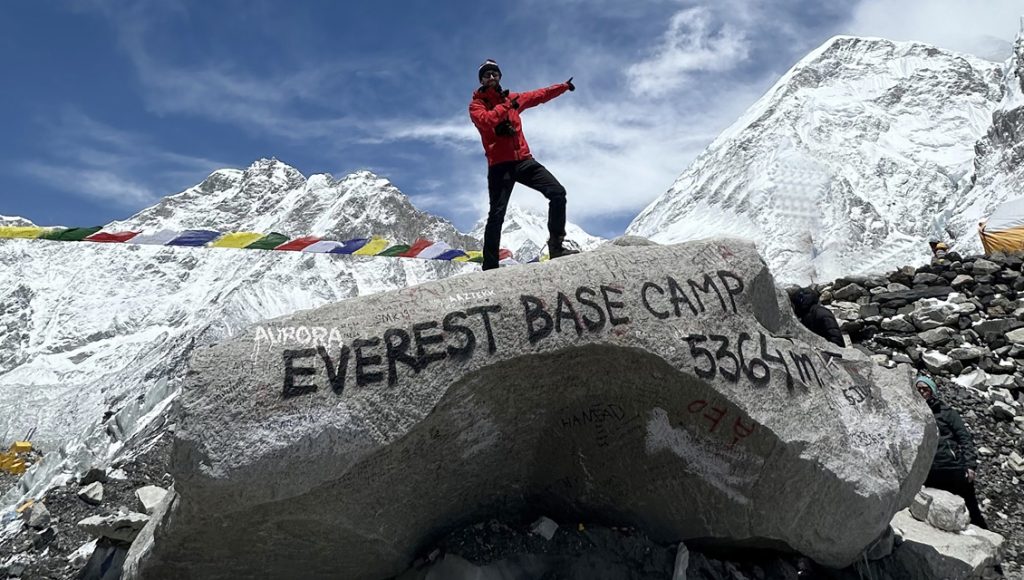
Elevation: Approximately 5,364 m
Location: Southern side of Mount Everest, Khumbu region
Route: Standard Everest Base Camp Trek
Separate side trip: No, it is the main destination of the trek.
Everest Base Camp is the central attraction of the entire journey. Located beside the Khumbu Glacier and beneath the impressive Khumbu Icefall, it is a destination associated with some of the world’s most famous mountaineering expeditions.
The base camp becomes particularly active during the spring climbing season when expedition teams establish temporary camps as part of their preparation for climbing Mount Everest.
One important point for visitors is that Mount Everest’s summit is not directly visible from Everest Base Camp. The surrounding terrain and neighbouring mountains obstruct the classic summit view. Kala Patthar provides a better-known viewpoint for seeing the mountain.
What makes Everest Base Camp special?
- The opportunity to reach the traditional Everest expedition base camp.
- Views of the Khumbu Icefall.
- Close-up views of the surrounding glacier and moraine.
- Seasonal expedition tents during the climbing season.
- A memorable high-altitude trekking achievement.
Photography tip: Capture the glacier landscape, expedition tents when present and surrounding peaks. Always respect expedition areas and restricted sections.
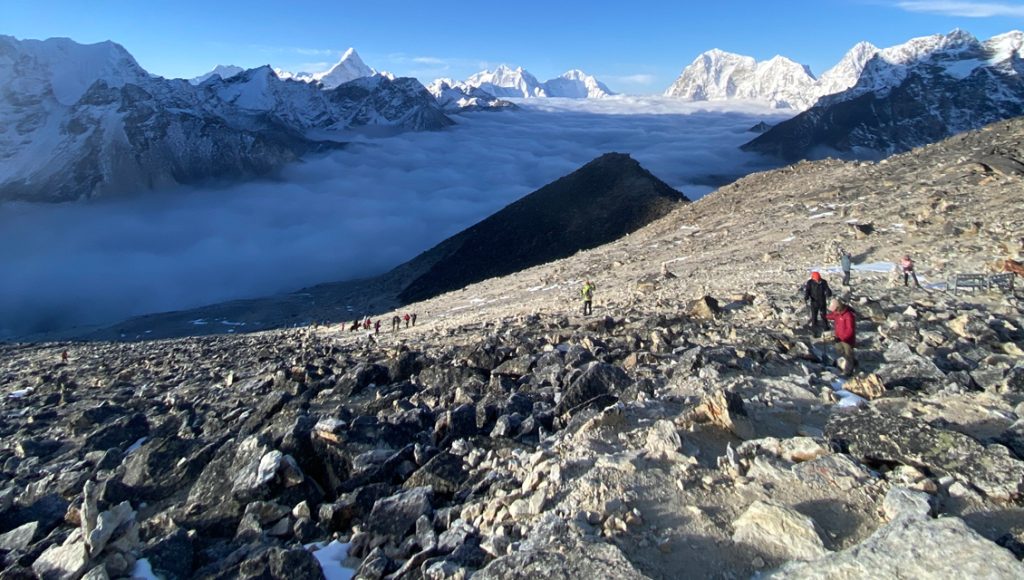
15. Kala Patthar – One of the Finest Everest Viewpoints
Elevation: Approximately 5,545 m
Location: Above Gorak Shep
Route: Optional viewpoint hike on the standard itinerary
Separate side trip: Yes, from Gorak Shep
Kala Patthar is widely regarded as one of the finest accessible viewpoints for observing Mount Everest.
Its elevated position provides an impressive panorama of Everest, Nuptse, Pumori and other Himalayan peaks. Unlike Everest Base Camp, Kala Patthar offers a much clearer perspective of Everest’s summit.
Many trekkers begin the climb before sunrise to watch the first sunlight illuminate the mountain peaks.
Why visit Kala Patthar?
- Exceptional views of Mount Everest.
- Panoramic views of Nuptse and Pumori.
- Sunrise photography opportunities.
- A memorable high-altitude hiking experience.
- A different perspective of the Khumbu Glacier and surrounding mountains.
The ascent is steep and physically demanding because of the altitude. It should be attempted only when conditions and the trekker’s health permit.
Photography tip: Carry a camera with good low-light performance. Sunrise can create beautiful changes in the colour of the surrounding peaks.
16. Khumbu Glacier – An Impressive Himalayan Glacier
Elevation: Varies along its length
Location: Upper Khumbu Valley
Route: Visible along the upper Everest Base Camp route
Separate side trip: No separate excursion is required to see sections of the glacier.
The Khumbu Glacier is one of the major geographical features of the Everest region. It flows through the high Himalayan landscape beneath some of the region’s most prominent peaks.
The glacier and its surrounding moraine create a dramatic environment as trekkers approach Lobuche, Gorak Shep and Everest Base Camp.
What makes the Khumbu Glacier remarkable?
- Its immense scale and high-altitude location.
- Rocky lateral and terminal moraine formations.
- Its connection with the Khumbu Icefall.
- The surrounding mountain landscape.
- Its importance to the geography of the upper Khumbu.
Visitors can observe sections of the glacier from the trekking route, although the terrain can be unstable and should not be explored independently.
Photography tip: Elevated viewpoints and wider landscape compositions help show the scale of the glacier and its surrounding mountains.
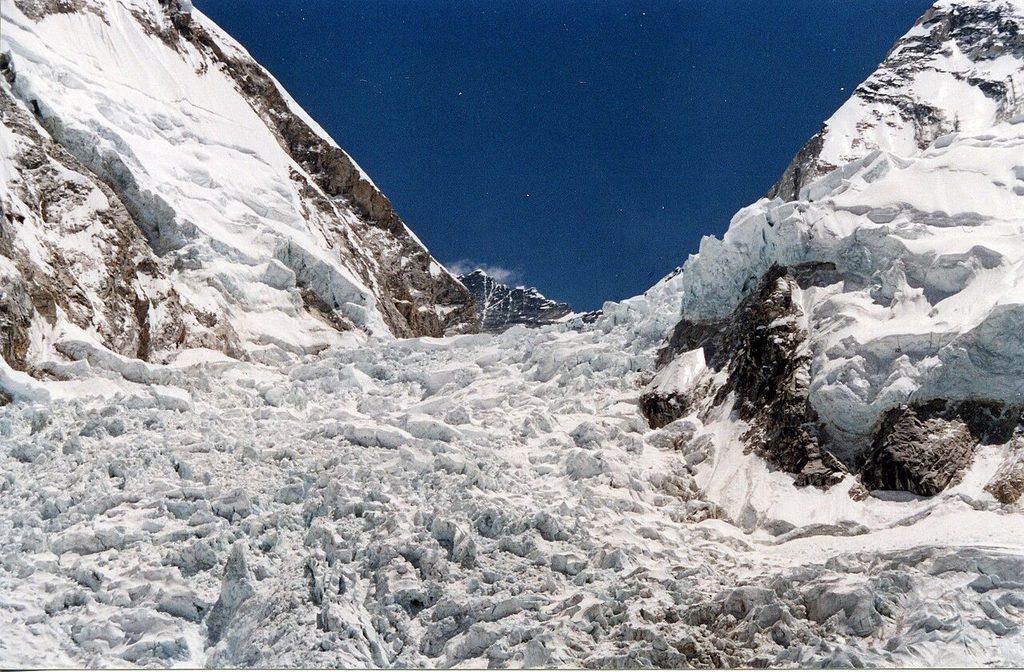
17. Khumbu Icefall – A Spectacular Glacial Landscape
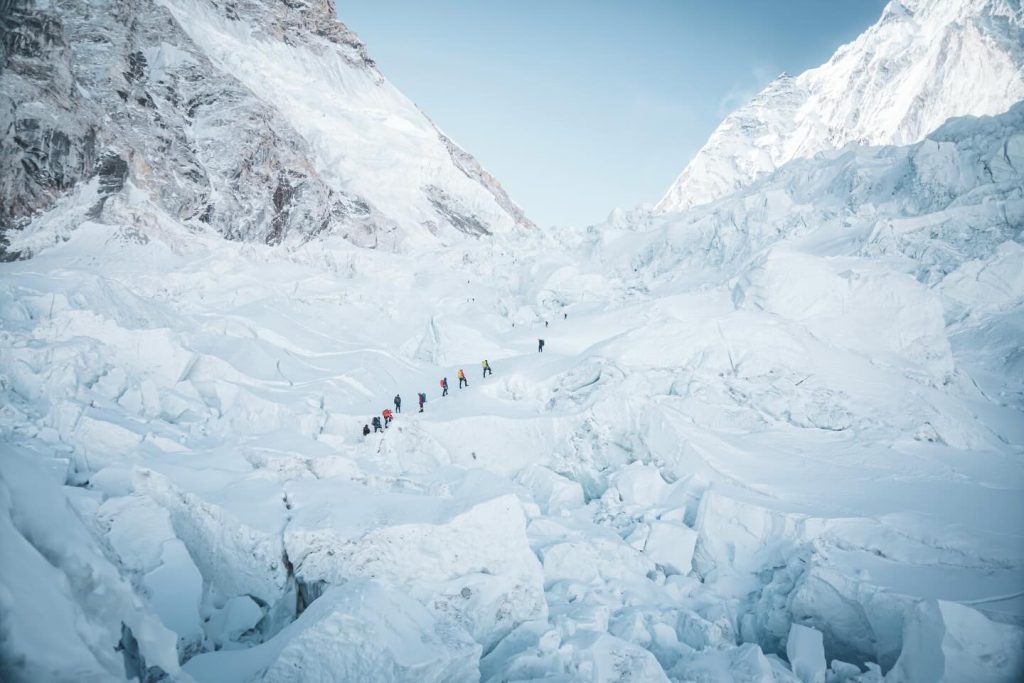
Elevation: Approximately 5,500 m, varying across the icefall
Location: Between Everest Base Camp and the Western Cwm
Route: Visible from selected viewpoints near Everest Base Camp
Separate side trip: No independent visitor excursion is recommended.
The Khumbu Icefall is one of the most striking natural features of the Everest region. Located on the route towards the upper slopes of Mount Everest, it consists of a constantly changing mass of ice formations, crevasses and towering seracs.
The icefall is an important section of the traditional South Col climbing route used by Everest expeditions.
Its appearance changes as the glacier moves and the ice formations shift. This makes it both a fascinating geographical feature and a challenging environment for mountaineers.
What can visitors see?
- Towering ice formations.
- Deep crevasses.
- The changing glacier surface.
- Expedition activity during climbing seasons.
- The impressive scale of the surrounding Himalayan landscape.
Ordinary trekkers should appreciate the icefall from appropriate viewpoints rather than attempting to enter it. The climbing route is hazardous and restricted to authorised expedition activity.
Photography tip: Use a telephoto lens to photograph the ice formations from a safe and permitted viewpoint.
Best Mountain Views and Photography Spots on the Everest Base Camp Trek
Mountain scenery is one of the strongest highlights of the Everest Base Camp Trek. The route provides changing perspectives of the Himalayan peaks, with some mountains becoming more prominent as trekkers move deeper into the Khumbu.
Here are eight important mountains to look out for.
1. Mount Everest – 8,848.86 m
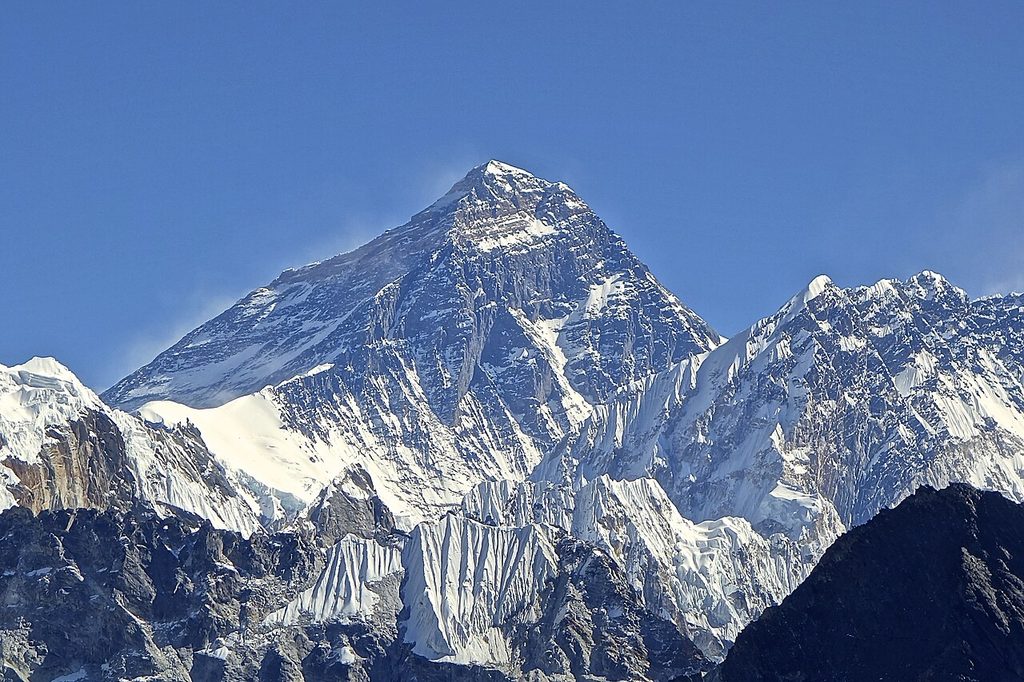
Best viewed from Kala Patthar and selected viewpoints around the upper Khumbu. Everest is the main attraction of the entire trekking region.
2. Mount Lhotse – 8,516 m
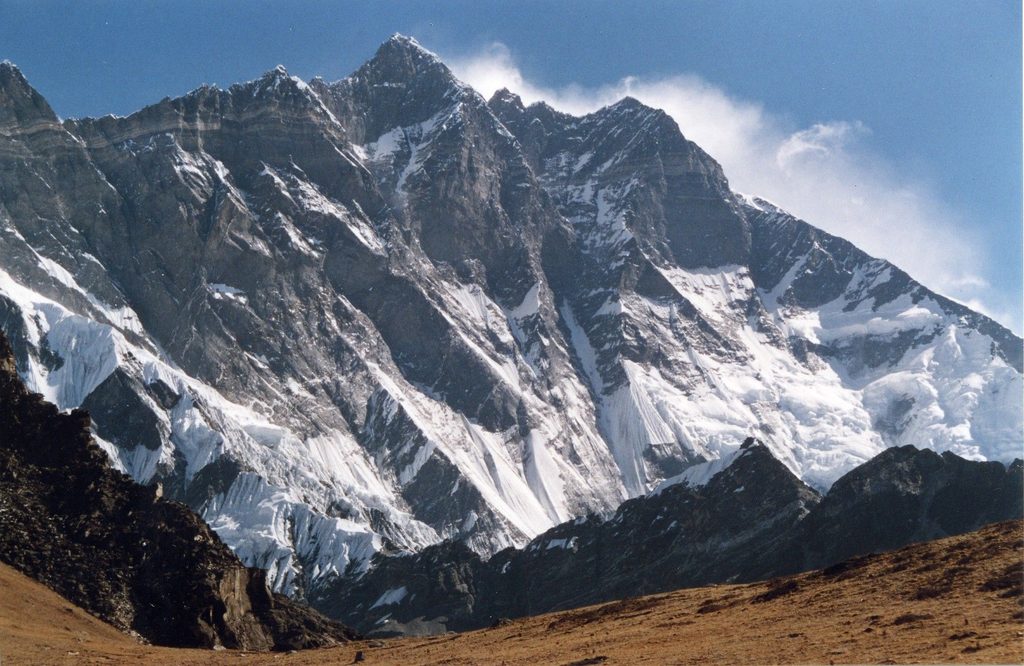
Particularly impressive from Dingboche, Kala Patthar and the upper Khumbu. Its massive southern face is a striking feature of the landscape.
3. Mount Nuptse – 7,861 m
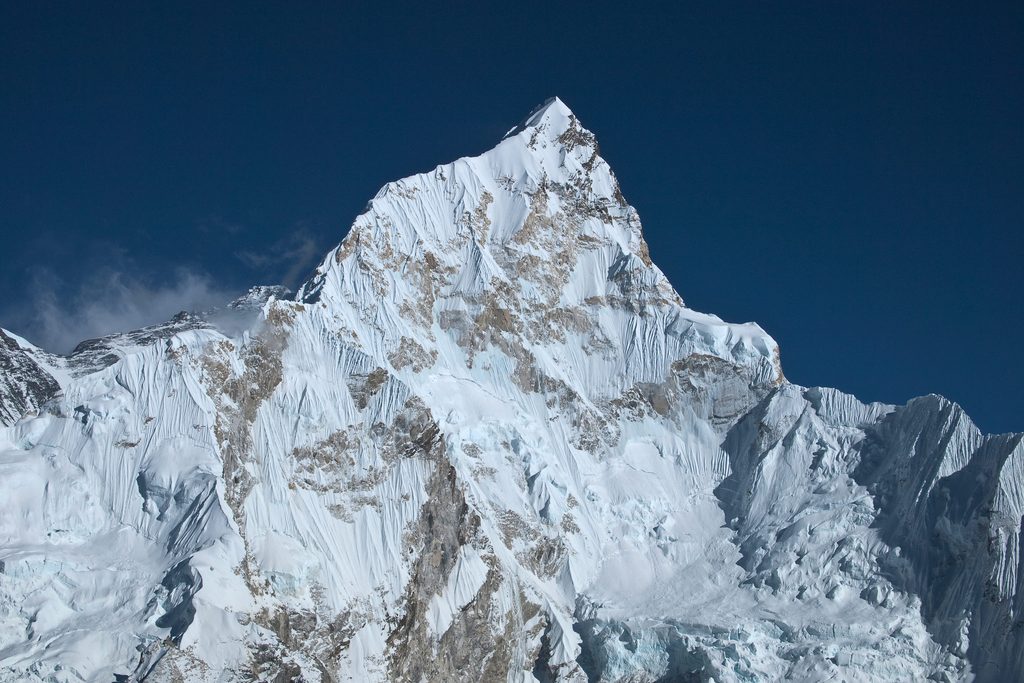
A dramatic mountain ridge near Everest, particularly prominent in views from Kala Patthar and the Everest Base Camp area.
4. Ama Dablam – 6,812 m
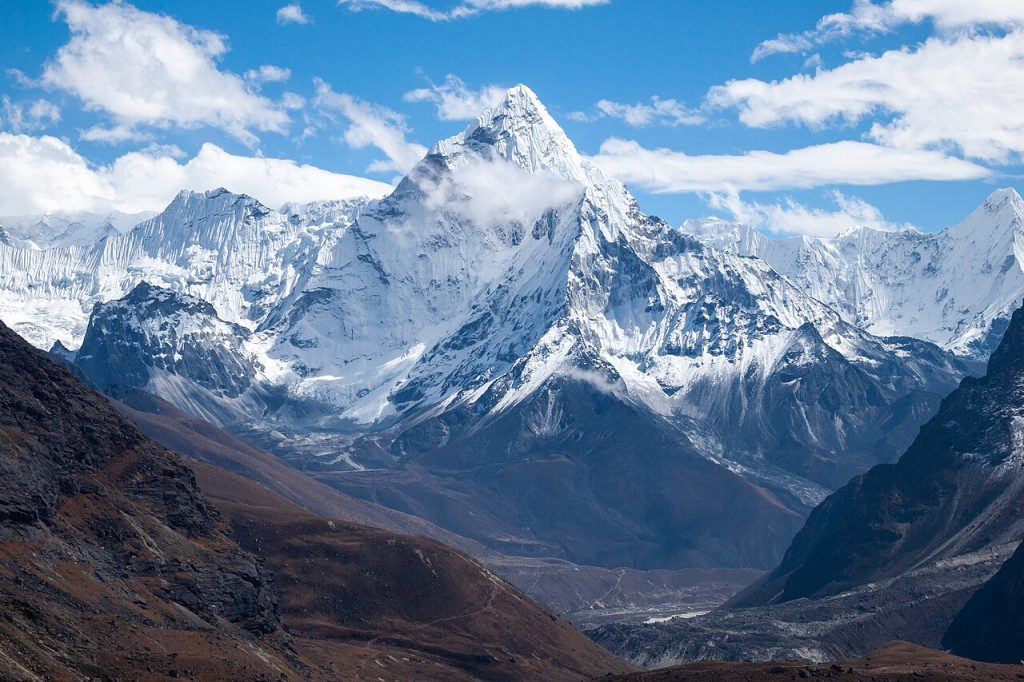
One of the most recognisable mountains in Nepal. It is especially impressive from Tengboche, Pangboche and Dingboche.
5. Thamserku – 6,623 m
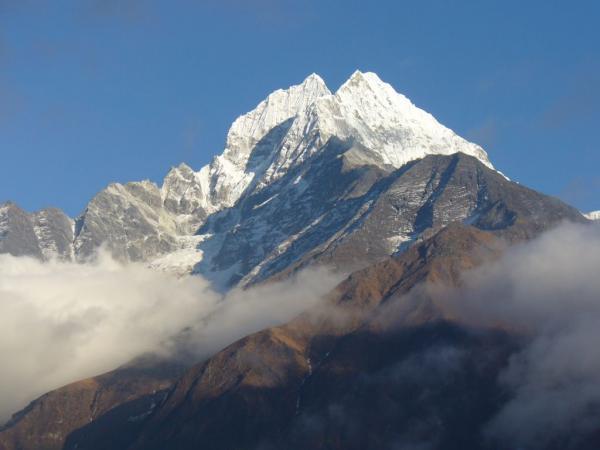
A prominent Himalayan peak visible along the lower sections of the trek, including the Namche approach.
6. Kongde Ri – approximately 6,187 m
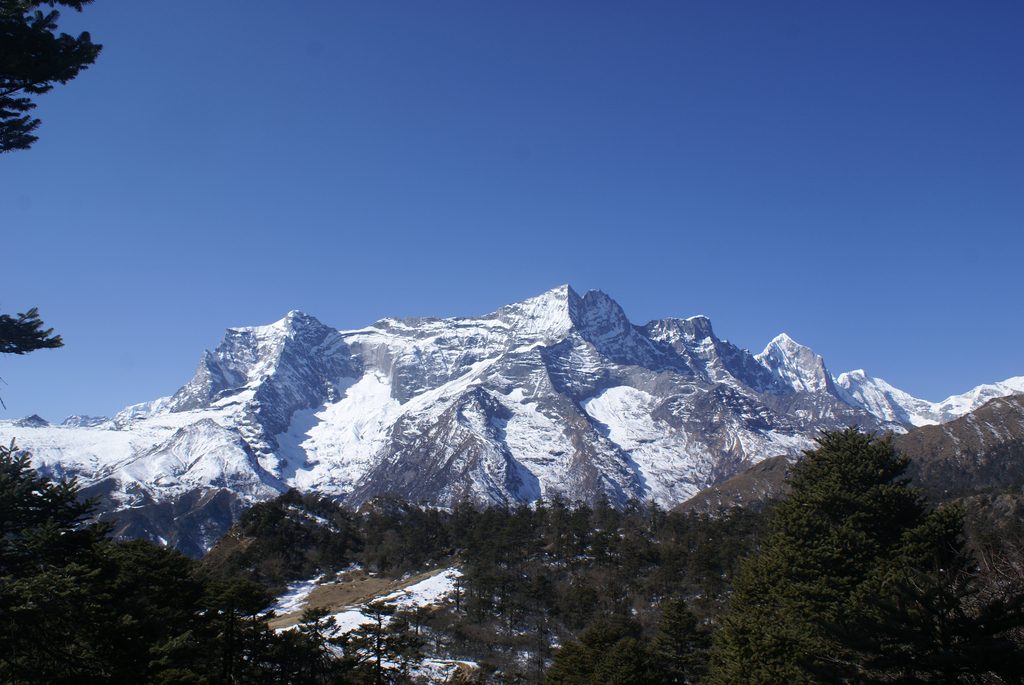
A striking mountain group overlooking the western side of the Namche area.
7. Mount Pumori – 7,161 m
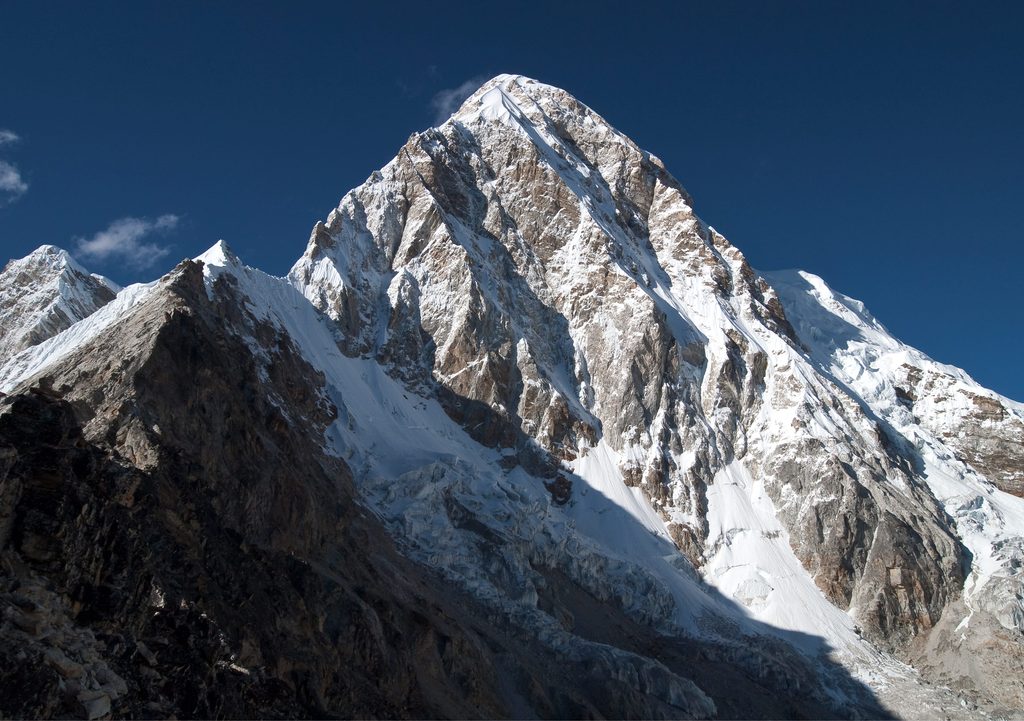
A beautiful pyramid-shaped mountain near Everest. It is particularly impressive from Kala Patthar.
8. Island Peak – 6,189 m
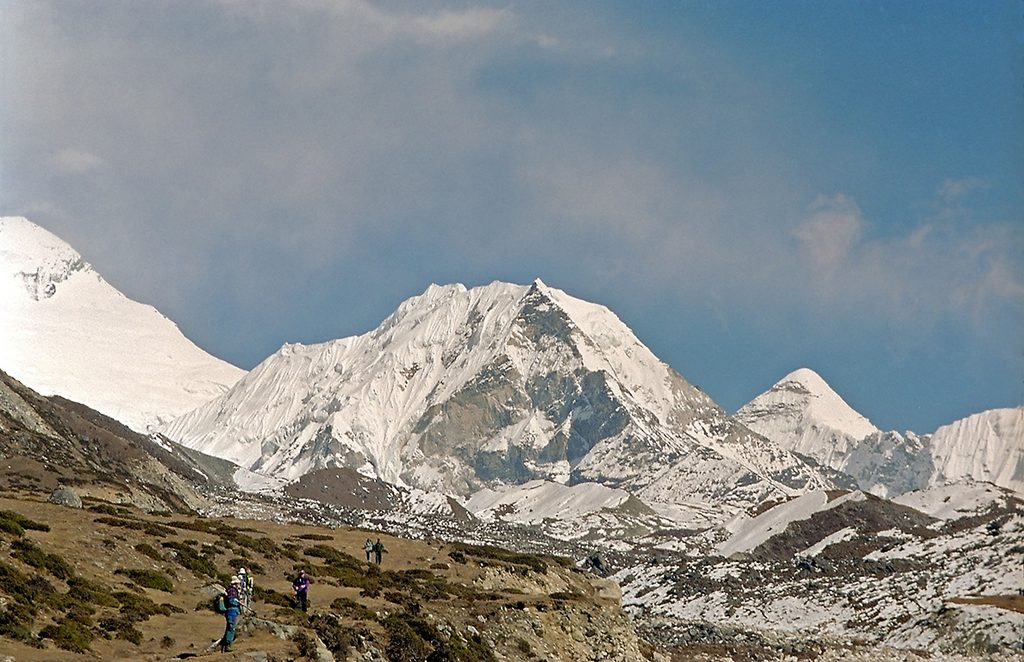
Located in the Imja Valley, Island Peak is especially relevant to the scenery around Dingboche and Chhukung.
Best viewpoints for mountain photography
| Viewpoint | Notable mountain views |
|---|---|
| Namche Bazaar | Everest, Thamserku, Kongde Ri |
| Everest View Hotel | Everest, Lhotse, Ama Dablam |
| Tengboche | Ama Dablam, Everest, Nuptse |
| Pangboche | Ama Dablam and surrounding peaks |
| Dingboche | Ama Dablam, Lhotse, Island Peak |
| Chhukung | Island Peak and Lhotse |
| Kala Patthar | Everest, Nuptse, Pumori and surrounding peaks |
Photography recommendation: Carry a camera or smartphone with sufficient storage, spare batteries and a protective case. Cold temperatures can reduce battery performance. A wide-angle lens is useful for landscapes, while a telephoto lens helps capture distant mountain details.
Cultural and Religious Attractions in the Everest Region
The Everest region is not simply a destination for mountain enthusiasts. It is also home to Sherpa communities whose cultural and religious heritage forms an important part of the landscape.
UNESCO recognises the relationship between Sherpa culture and the natural environment as an important aspect of Sagarmatha National Park’s heritage.
Important Buddhist Monasteries
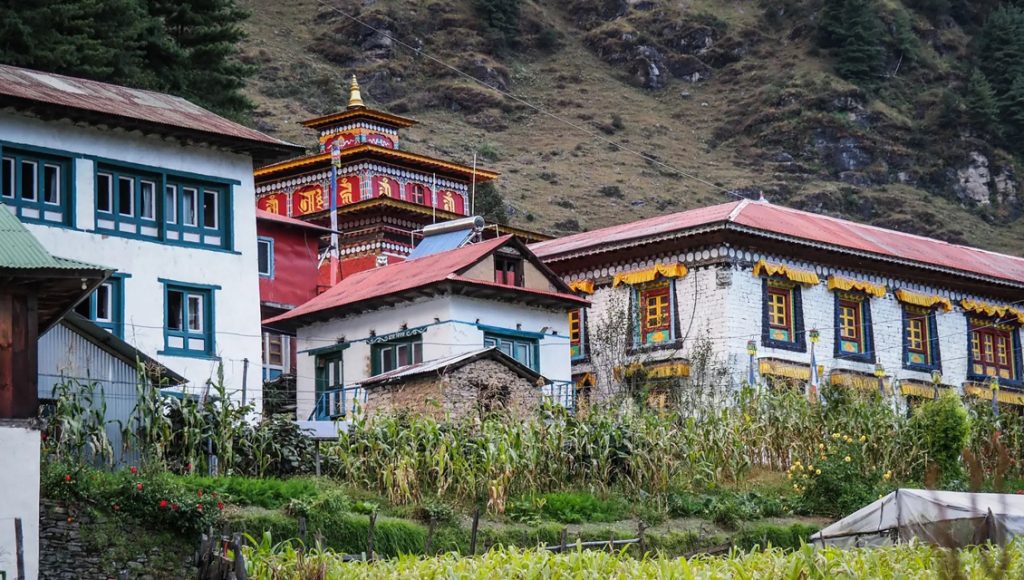
Three notable monasteries include:
- Tengboche Monastery: One of the best-known monasteries in the region, located along the main Everest Base Camp route.
- Pangboche Monastery: A significant Buddhist landmark in the traditional settlement of Pangboche.
- Khumjung Monastery: A local religious landmark that can be explored during a side trip from Namche Bazaar.
These monasteries provide opportunities to understand the religious traditions and community heritage of the Khumbu.
Mani Walls and Prayer Wheels
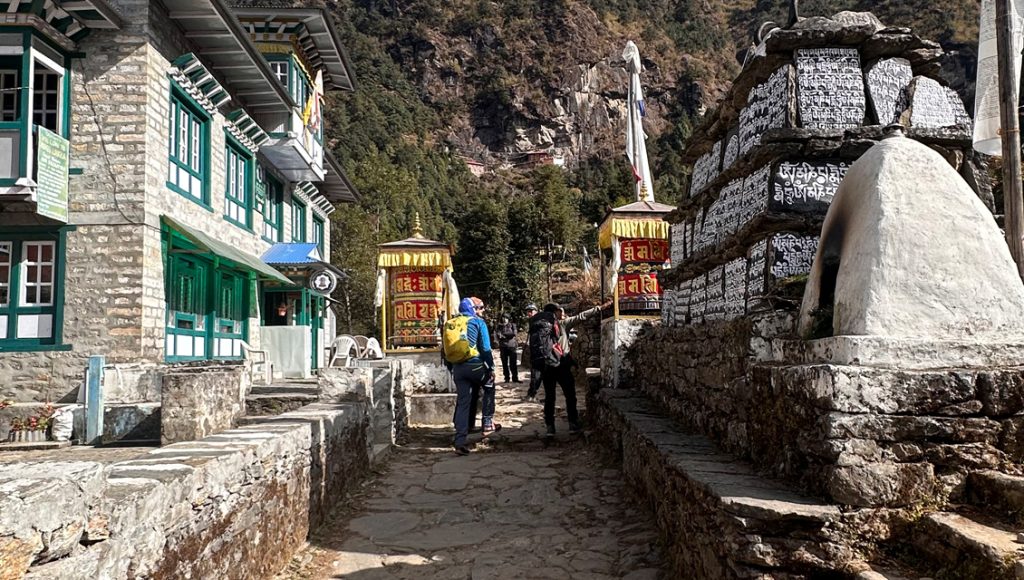
They are familiar features of many Himalayan settlements.
Mani walls are structures containing inscribed Buddhist prayers or sacred texts. Prayer wheels are commonly placed along village pathways and religious sites.
Visitors should walk around mani walls in the customary direction, generally keeping them on their right, and avoid climbing on or damaging religious structures.
Sherpa Villages and Traditional Architecture
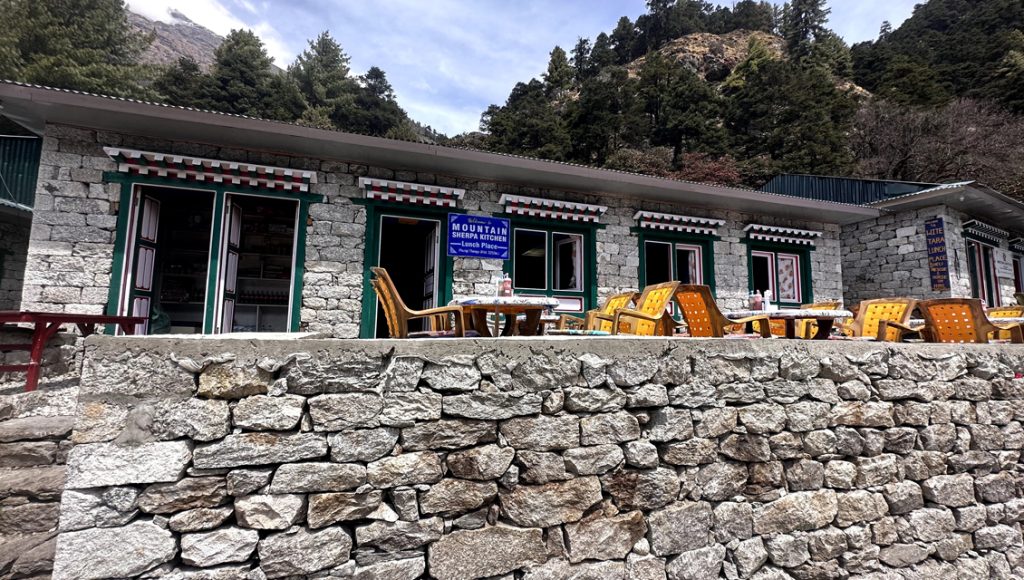
Settlements such as Khumjung, Khunde and Pangboche offer opportunities to observe traditional stone houses, local agricultural practices and the everyday environment of mountain communities.
Rather than treating these villages as outdoor museums, visitors should remember that they are living communities. Ask permission before photographing residents or entering private property.
Buddhist Festivals and Local Traditions
Religious festivals are important parts of community life in the Everest region.
The Sagarmatha National Park authorities identify festivals such as Dumje and Mane Rumdu among the religious gatherings associated with local monasteries.
Festival dates follow local religious calendars and may change from year to year. Travellers interested in attending should check with local contacts before planning their visit. snp.gov.np+1
Natural Attractions Along the Everest Base Camp Route
The Khumbu region is an extraordinary natural environment shaped by high mountains, glaciers, rivers and changing ecological zones.
1. Sagarmatha National Park
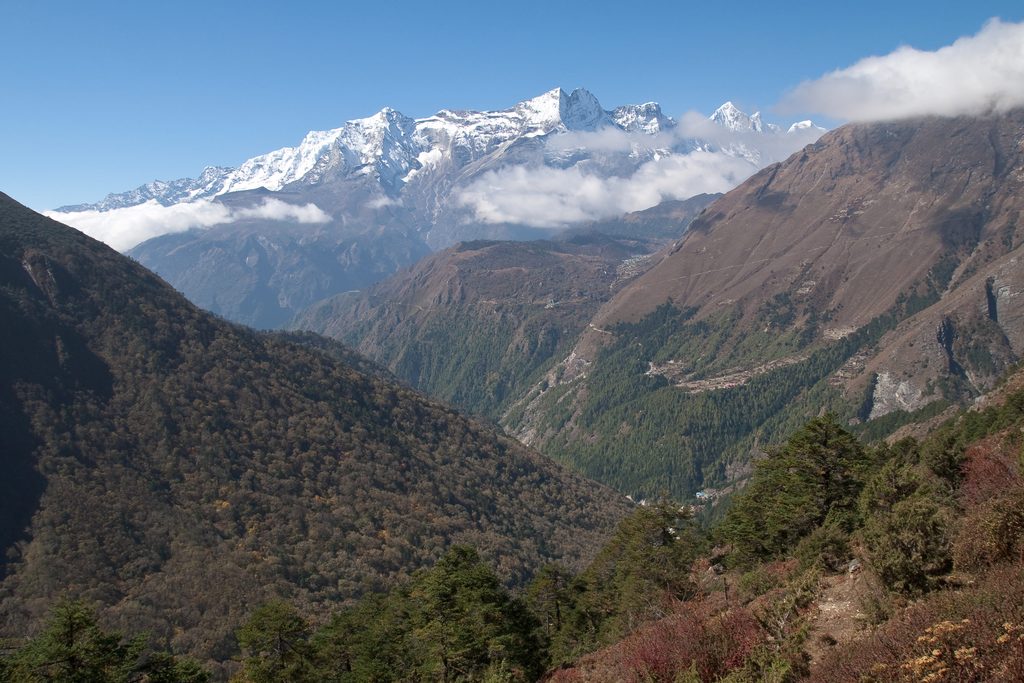
Sagarmatha National Park is one of Nepal’s most important protected natural areas.
- Established: 19 July 1976.
- Area: Approximately 1,148 km².
- UNESCO World Heritage inscription: 1979.
- Location: Solukhumbu District, eastern Nepal.
The park protects a variety of mountain ecosystems, including forests, alpine landscapes, glaciers and high-altitude habitats.
It is also home to wildlife such as snow leopards, red pandas, Himalayan tahr and musk deer. Sightings of rare wildlife are not guaranteed.
2. Dudh Koshi River
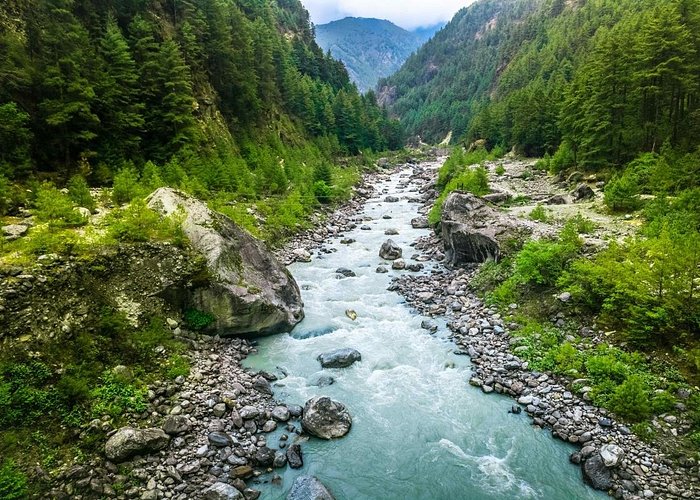
The Dudh Koshi River is an important geographical feature of the lower Everest Base Camp route.
The trekking trail follows its valley through settlements such as Phakding and Monjo before climbing towards Namche Bazaar.
The river, suspension bridges and surrounding forest create some of the most attractive scenery in the early trekking stages.
3. Alpine Forests
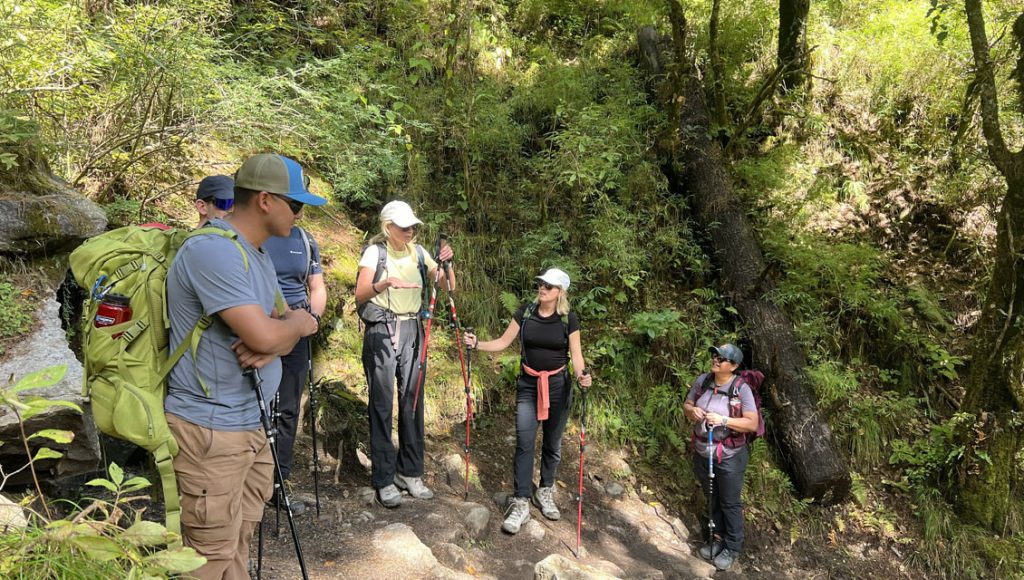
The lower and middle sections of the Everest route pass through forested landscapes.
Pine and hemlock are among the trees found at lower elevations, while silver fir, birch, rhododendron and juniper occur in higher forest zones.
During spring, flowering rhododendrons add colour to suitable forest sections.
4. Glacial Valleys
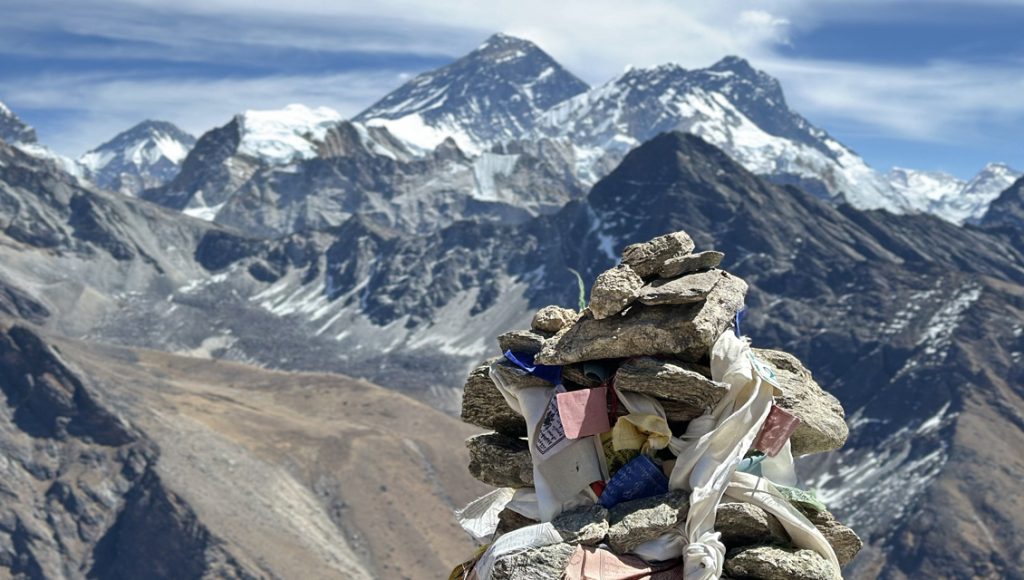
The upper Khumbu features impressive glacial valleys shaped by long-term ice movement and Himalayan geological processes.
The Imja Valley and the surrounding upper Khumbu landscape are particularly impressive for their exposed terrain, rocky slopes and views of surrounding mountains.
5. Himalayan Flora and Fauna
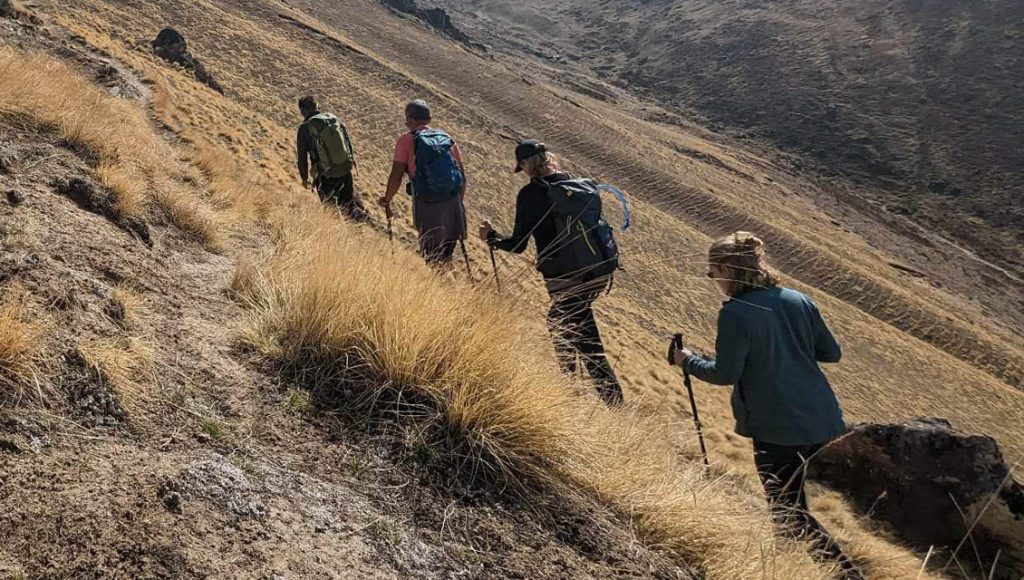
Sagarmatha National Park supports a variety of plant and animal species adapted to different elevations.
Examples include:
- Snow leopard.
- Red panda.
- Himalayan tahr.
- Musk deer.
- Himalayan monal.
- Rhododendron.
- Juniper.
- Himalayan birch.
The opportunity to observe these species in their natural habitat adds another dimension to the Everest trekking experience.
Hidden Gems and Lesser-Known Attractions Near Everest Base Camp
The standard Everest Base Camp Trek covers several major destinations, but the wider Khumbu region has many additional attractions.
Some require only a short excursion, while others need additional trekking days and more demanding high-altitude crossings.
1. Thame Village
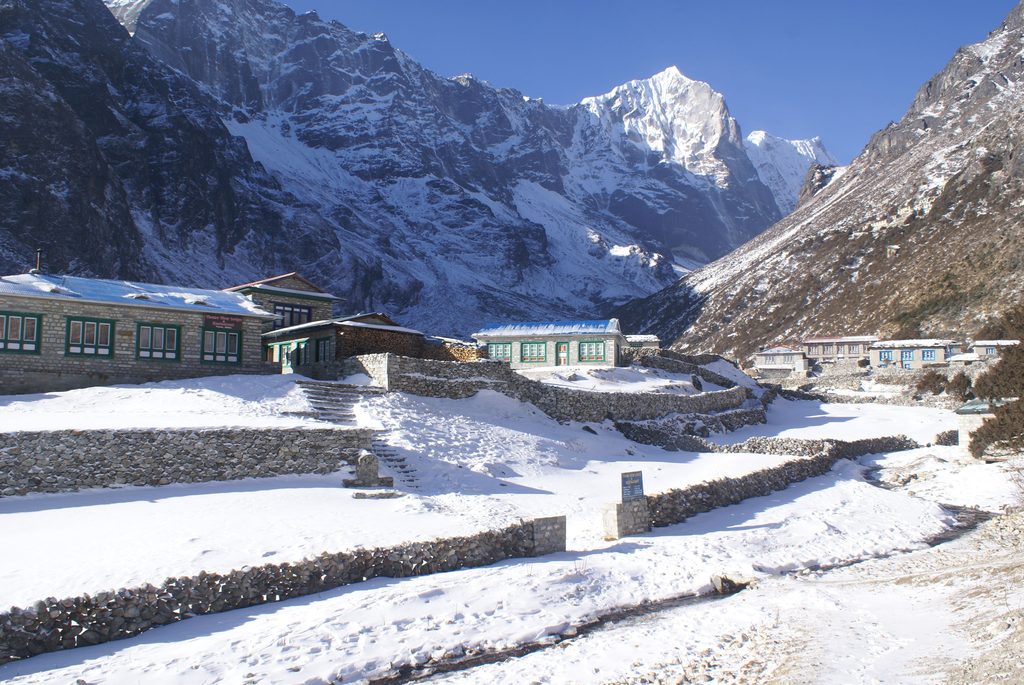
OPTIONAL SIDE TRIP FROM NAMCHE
A traditional Sherpa settlement in the Bhote Koshi Valley, known for its mountain surroundings and Buddhist heritage.
2. Gokyo Lakes
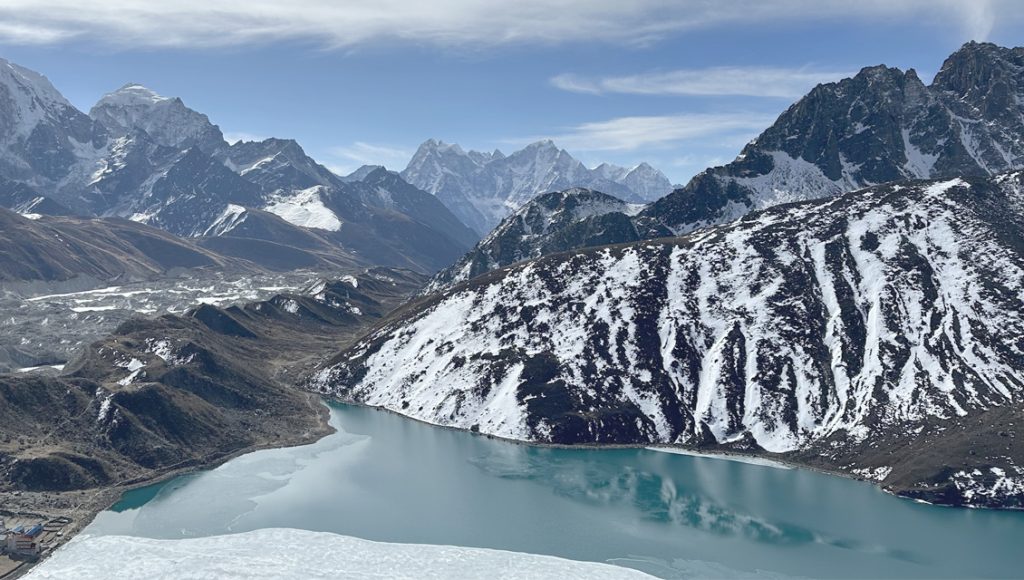
ALTERNATIVE ROUTE / EXTENSION
A spectacular group of high-altitude lakes surrounded by Himalayan peaks. The Gokyo wetlands are recognised under the Ramsar Convention.
3. Gokyo Ri
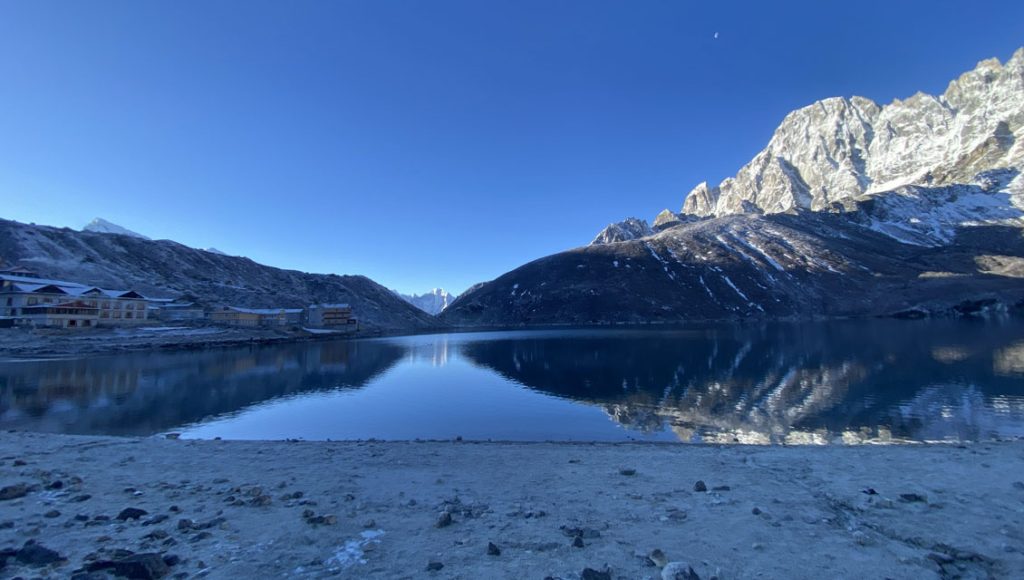
OPTIONAL VIEWPOINT HIKE
A high-altitude viewpoint offering broad panoramas of Gokyo Lakes, Ngozumpa Glacier and surrounding mountains.
4. Renjo La Pass
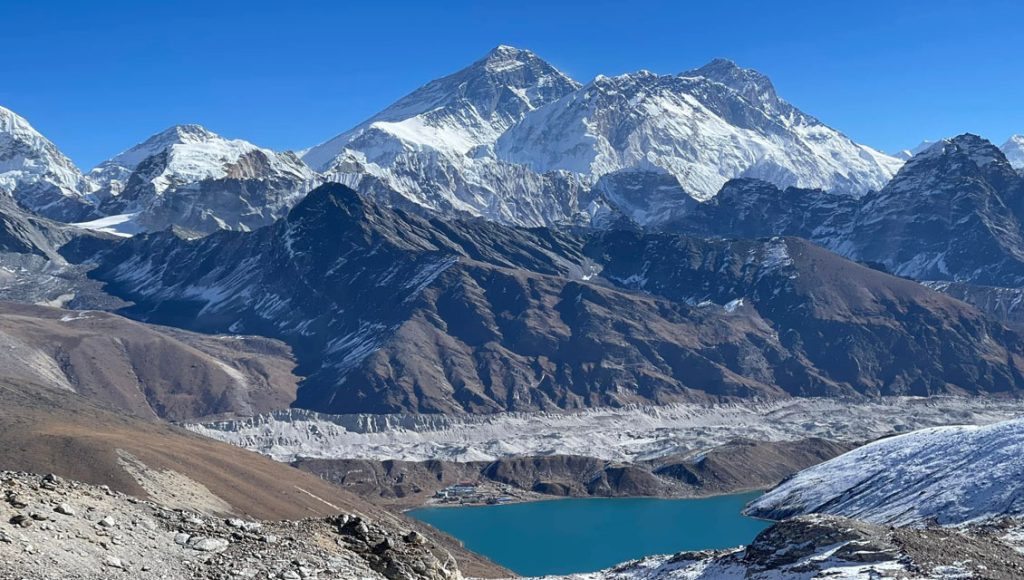
ALTERNATIVE HIGH-PASS ROUTE
A challenging high-altitude pass connecting the Thame and Gokyo areas. It is generally explored as part of a longer route.
5. Ama Dablam Viewpoints
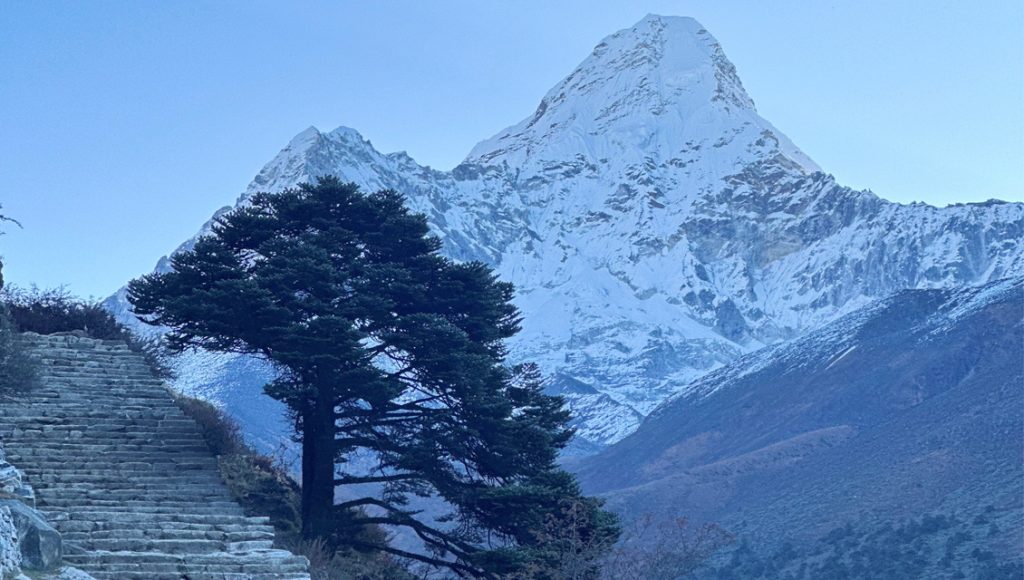
ALONG THE STANDARD ROUTE
The viewpoints around Tengboche, Pangboche and Dingboche provide different perspectives of this distinctive mountain.
6. Chhukung Valley
OPTIONAL EXTENSION FROM DINGBOCHE
A rewarding excursion for trekkers interested in the upper Imja Valley and Island Peak scenery.
Standard Everest Base Camp Route vs Optional Extensions
| Destination | Included in standard route? | Additional planning |
|---|---|---|
| Namche Bazaar | Yes | Acclimatisation time |
| Tengboche | Yes | No separate extension |
| Dingboche | Yes | Acclimatisation time |
| Everest Base Camp | Yes | Final high-altitude walk |
| Kala Patthar | Usually offered | Additional viewpoint hike |
| Khumjung | No | Side trip from Namche |
| Khunde | No | Side trip from Namche |
| Thame | No | Additional trekking |
| Chhukung | No | Extension from Dingboche |
| Gokyo Lakes | No | Alternative or combined itinerary |
| Gokyo Ri | No | Additional viewpoint hike |
| Renjo La | No | Longer high-pass route |
The distinction matters when planning your trek. Adding Gokyo Lakes or Renjo La is not simply a short sightseeing stop; it changes the itinerary, walking distance and altitude profile.
The Nepal Tourism Board also identifies Thame, Khumjung, Khunde and Chhukung as worthwhile excursions around the standard route
Best Time to Explore Everest Base Camp Attractions
The best time to explore Everest Base Camp attractions depends on visibility, weather, trail conditions and your interest in mountain photography.
Spring and autumn are generally the preferred trekking seasons.
Spring (March–May) (Recommended season)
- Rhododendron flowers in lower forest sections.
- Increasing daylight and generally favourable trekking conditions.
- Active Everest climbing season in the upper Khumbu.
- Good opportunities for mountain photography, subject to cloud and weather conditions.
Autumn (September–November) (Recommended season)
- Generally clearer mountain views after the monsoon.
- Pleasant conditions for trekking during suitable weather windows.
- Excellent opportunities for photographing Everest and Ama Dablam.
- Popular trails and busy teahouses during peak periods.
Winter (December–February)
- Colder nights and significantly lower temperatures at higher elevations.
- Snow and ice can affect trails and high passes.
- Quieter trekking conditions in many periods.
- Requires appropriate cold-weather equipment and flexible planning.
Monsoon (June–August)
- Increased rainfall and cloud cover.
- Reduced mountain visibility in many periods.
- Potential flight delays and difficult trail conditions.
- Wet lower trails and increased weather uncertainty.
Which season is best for photography?
- Spring: Best for combining mountain scenery with flowering forests and expedition-season atmosphere.
- Autumn: A strong choice for clear mountain panoramas and landscape photography.
- Winter: Attractive snow-covered scenery, but extremely cold conditions.
- Monsoon: Lush landscapes and fewer trekkers in some periods, but mountain views can be difficult to obtain.
No season guarantees clear views of Everest. Mountain weather can change quickly, and flight operations to Lukla are also weather-dependent.
The Nepal Tourism Board identifies October–November and March–May as the main favourable seasons for Sagarmatha National Park
How Many Days Do You Need to Explore Everest Base Camp Attractions?
Most trekkers need approximately 12–14 days for a classic Everest Base Camp trekking itinerary, depending on the starting arrangements, acclimatisation schedule and return logistics.
A longer itinerary may be necessary if you want to explore additional villages, visit Gokyo Lakes or cross high mountain passes.
Suggested 14-Day Everest Base Camp Itinerary
| Day | Destination / Activity | Approx. elevation |
|---|---|---|
| 01 | Arrive in Kathmandu | 1,400 m |
| 02 | Fly to Lukla and trek to Phakding | 2,610 m |
| 03 | Trek to Namche Bazaar | 3,440 m |
| 04 | Acclimatise and explore Everest View Hotel / Khumjung | 3,880 m |
| 05 | Trek to Tengboche | 3,860 m |
| 06 | Trek to Dingboche via Pangboche | 4,410 m |
| 07 | Acclimatisation hike near Dingboche | 5,083 m (hiking high point) |
| 08 | Trek to Lobuche | 4,940 m |
| 09 | Visit Everest Base Camp via Gorak Shep | 5,364 m |
| 10 | Hike to Kala Patthar and descend towards Pheriche | 5,545 m |
| 11 | Trek to Namche Bazaar | 3,440 m |
| 12 | Trek to Lukla | 2,860 m |
| 13 | Fly to Kathmandu | 1,400 m |
| 14 | Departure from Kathmandu | — |
This is an illustrative itinerary based on the existing Everest Trek Guides package. Actual walking times and accommodation arrangements may vary.
Why Are Acclimatisation Days Important?
Two important acclimatisation stops are generally incorporated into the classic itinerary.
Namche Bazaar: The additional day provides an opportunity to explore Everest View Hotel, Khumjung and Khunde while gradually adjusting to higher elevations.
Dingboche: Trekkers can undertake an acclimatisation hike towards Nangkartshang Hill before continuing to Lobuche.
These days are not simply sightseeing breaks. They are important parts of a responsible high-altitude trekking schedule.
How Much Additional Time Do Optional Attractions Require?
| Optional destination | Suggested additional time |
|---|---|
| Khumjung and Khunde | Half to one day |
| Everest View Hotel | Half day |
| Thame Village | 1–2 days, depending on route |
| Chhukung Valley | Half to one day |
| Gokyo Lakes | Several additional days |
| Gokyo Ri | Half to one day from Gokyo |
| Renjo La Pass | Requires a longer trekking itinerary |
These are planning estimates, not fixed walking schedules. Some destinations can be combined into acclimatisation days, while others require overnight stops.
Practical Tips for Visiting Everest Base Camp Attractions
Exploring the Everest region requires preparation because the trail reaches elevations above 5,000 metres. Weather, altitude and changing terrain can all affect your trekking experience.
1. Prioritise Altitude Acclimatisation
Altitude is one of the biggest challenges of the Everest Base Camp Trek.
As you ascend, the available oxygen pressure decreases. Your body needs time to adjust to the changing conditions.
Important precautions include:
- Follow a gradual ascent schedule.
- Include appropriate acclimatisation days.
- Walk at a comfortable and consistent pace.
- Avoid alcohol during high-altitude trekking.
- Drink adequate fluids.
- Inform your guide immediately if you experience symptoms of altitude sickness.
Headache, nausea, dizziness and unusual fatigue can be warning signs of acute mountain sickness.
Severe symptoms such as confusion, difficulty walking straight or breathlessness at rest require urgent medical assessment and descent. Do not continue ascending when altitude sickness is suspected.
2. Prepare Physically Before the Trek
A reasonable fitness foundation makes the journey more manageable.
Consider preparing with:
- Regular walking and hiking.
- Cardiovascular exercises.
- Stair climbing.
- Leg-strengthening exercises.
- Longer walks carrying a daypack.
Begin preparation approximately 8–12 weeks before departure if possible. Adjust training to your existing fitness and experience.
3. Carry Appropriate Trekking Equipment
The equipment you need depends on the season, personal comfort and itinerary.
| Equipment | Purpose |
|---|---|
| Waterproof trekking boots | Foot protection and grip |
| Down jacket | Cold-weather insulation |
| Thermal base layers | Retaining body warmth |
| Waterproof shell | Protection from rain and snow |
| Sleeping bag | Warmth in mountain accommodation |
| Trekking poles | Balance and support |
| UV-protection sunglasses | Protection from strong sunlight |
| Headlamp | Early morning and evening walks |
| Water bottle and purification system | Safe drinking water |
| Gloves and warm hat | Cold-weather protection |
For colder periods and high-altitude nights, suitable insulated clothing and a sleeping bag rated around -15°C may be appropriate, depending on the forecast and accommodation arrangements.
4. Bring the Right Photography Equipment
The Everest region offers opportunities for landscape, wildlife, cultural and architectural photography.
Recommended equipment includes:
- Smartphone or mirrorless camera.
- Wide-angle lens for mountain panoramas.
- Telephoto lens for distant peaks and wildlife.
- Spare batteries.
- Power bank.
- Memory cards.
- Protective camera bag.
Keep electronic equipment protected from cold, moisture and dust.
5. Travel with Experienced Local Guides
An experienced local trekking guide can help with route planning, local communication, acclimatisation decisions and logistical arrangements.
A knowledgeable guide can also provide valuable context about Sherpa settlements, monasteries, mountain geography and local traditions.
For high-altitude trekking, safety decisions should take priority over completing a sightseeing schedule.
6. Understand Permits and Local Regulations
The classic Everest Base Camp route involves entry into Sagarmatha National Park and travel through the Khumbu Pasang Lhamu Rural Municipality.
Trekkers should check the current requirements before departure, including:
- Sagarmatha National Park entry requirements.
- Local municipality trekking fees or permits.
- Any additional requirements applicable to their route.
- Identification and documentation requirements.
Fees and regulations can change, so verify the latest information with the relevant authorities or your trekking operator.
Official resources:
7. Allow Buffer Time for Lukla Flights
Flights to and from Lukla are highly dependent on mountain weather and operating conditions.
Avoid arranging an international departure immediately after your planned return from Lukla.
An additional buffer day or two can help accommodate delays.
8. Respect Local Culture and the Natural Environment
Responsible tourism helps protect the natural and cultural heritage of the Khumbu.
Visitors should:
- Ask permission before photographing people.
- Respect monasteries and religious ceremonies.
- Avoid touching or damaging religious structures.
- Follow local guidance around mani walls and prayer wheels.
- Carry reusable water bottles where practical.
- Dispose of rubbish responsibly.
- Stay on established trails.
- Avoid disturbing wildlife.
Explore the Everest Region with Everest Trek Guides
Exploring the Everest region is more rewarding when your itinerary is designed around realistic trekking distances, proper acclimatisation and an understanding of the local environment.
Everest Trek Guides offers guided trekking experiences in the Khumbu region, combining local trekking knowledge with organised logistics and carefully planned mountain journeys.
The company’s Everest Base Camp Trek provides an opportunity to explore the major attractions along the classic route, including Namche Bazaar, Tengboche Monastery, Dingboche, Everest Base Camp and Kala Patthar.
Why Explore the Everest Region with Everest Trek Guides?
- Local trekking knowledge: Learn about the landscapes, settlements and cultural heritage of the Khumbu.
- Experienced trekking guides: Receive support throughout the trekking journey.
- Acclimatisation-focused planning: Follow an itinerary that incorporates dedicated adjustment days.
- Logistical support: Assistance with trekking arrangements, accommodation and applicable permits.
- Personalised experiences: Discuss private departures and suitable itinerary arrangements.
Our Everest Trekking Packages
Explore Our Everest Trekking Packages
Discover the beauty of the Khumbu region with carefully planned trekking journeys to Everest Base Camp, Gokyo Lakes and beyond.
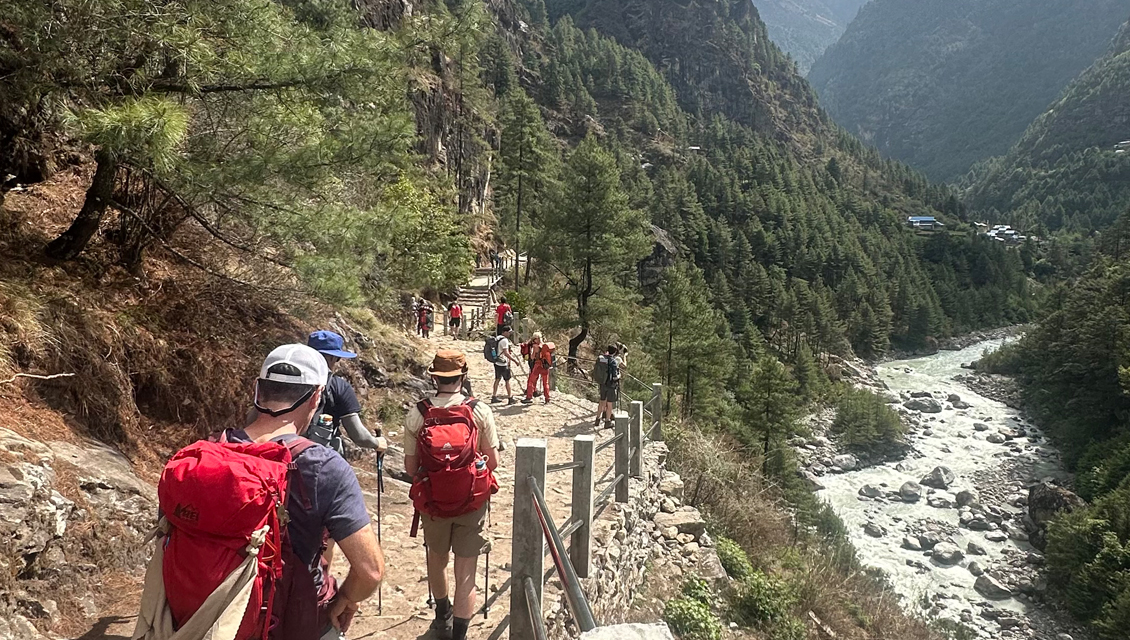
Everest Base Camp Trek
Follow the legendary Khumbu trail through Sherpa villages, ancient monasteries and dramatic Himalayan landscapes to Everest Base Camp and Kala Patthar.
Explore This Trek →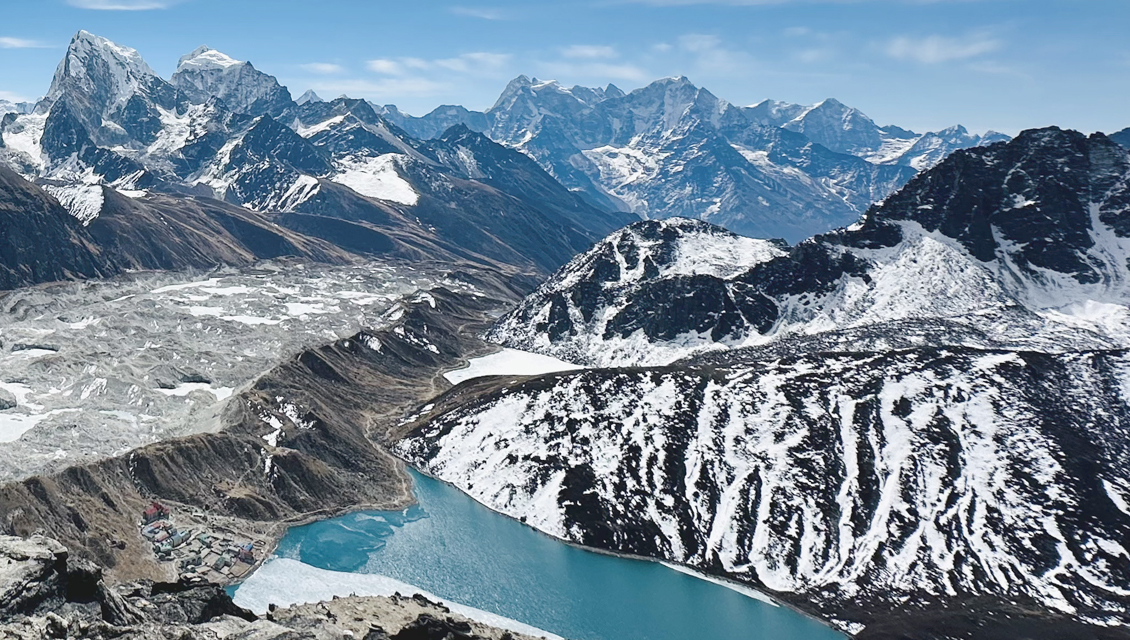
Everest Base Camp via Gokyo Lakes
Explore the beautiful turquoise Gokyo Lakes, spectacular mountain viewpoints and the legendary Everest Base Camp on an extended Himalayan adventure.
Explore This Trek →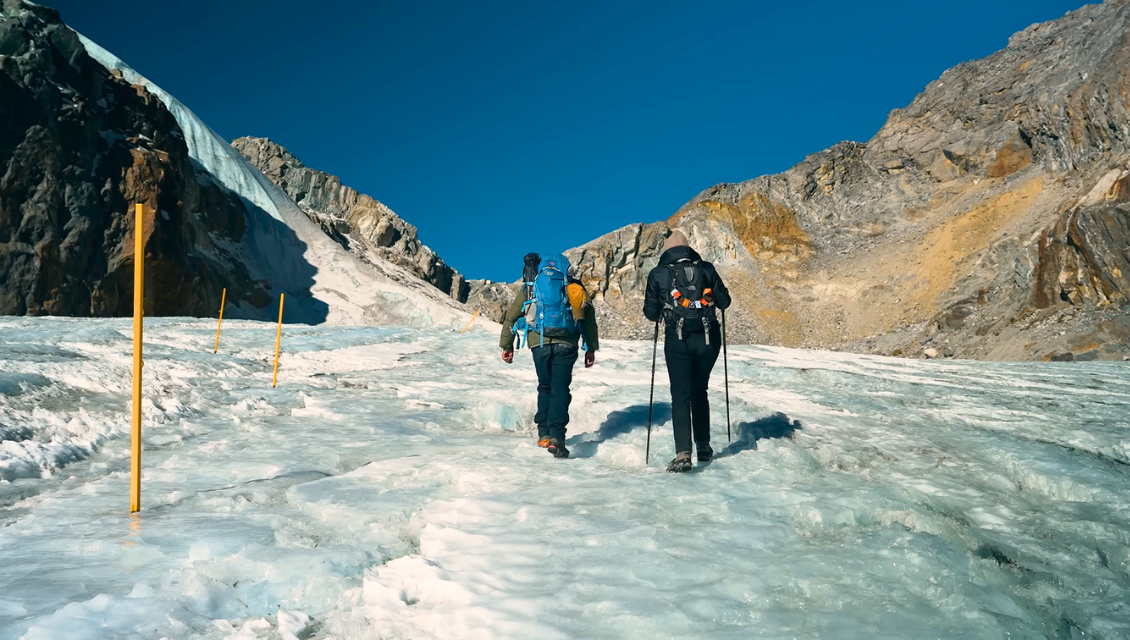
Everest Three Passes Trek
Take on a challenging Himalayan journey across Kongma La, Cho La and Renjo La, discovering remote valleys, spectacular viewpoints and the wider Khumbu region.
Explore Our Packages →