Mera Peak Climbing

17 Days
6,476 m Max altitude
Challenging Difficulty
$2,250 From / person

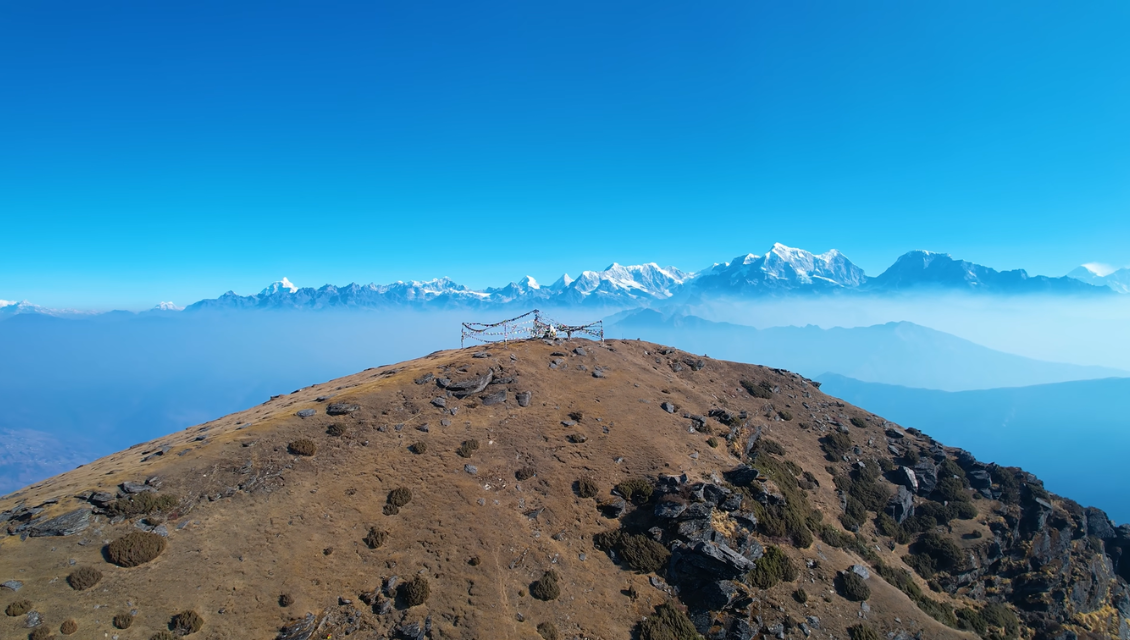
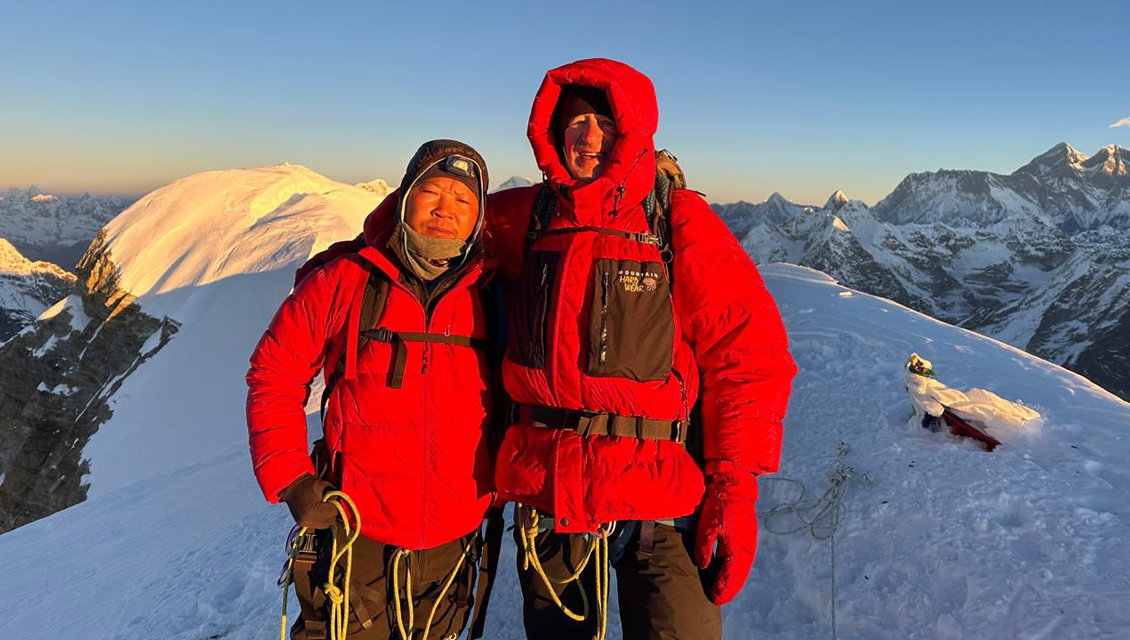
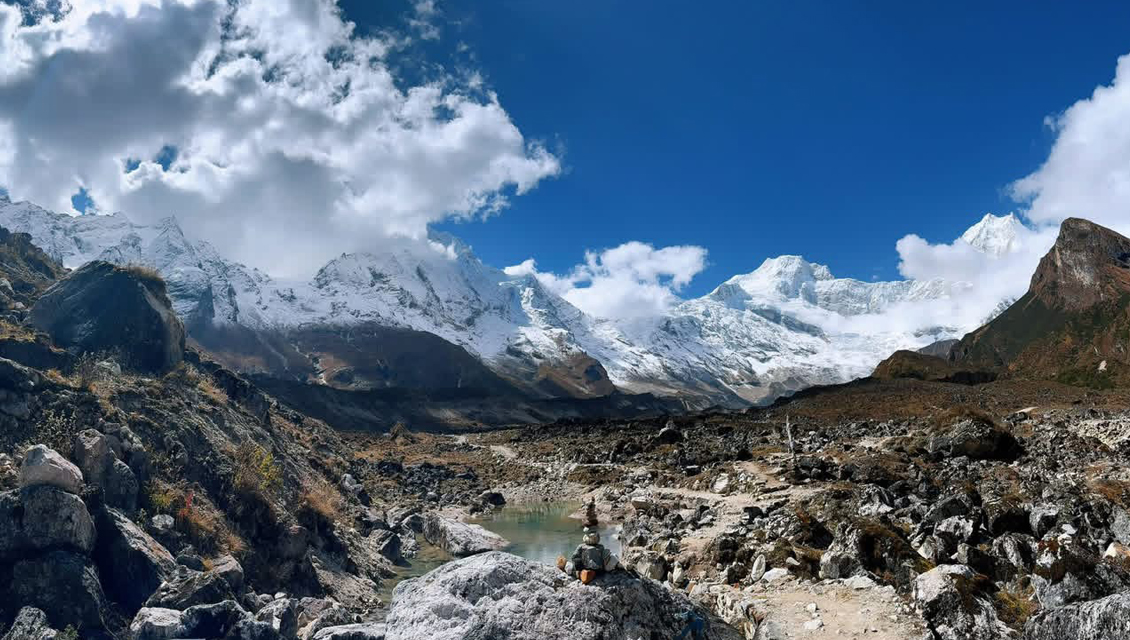
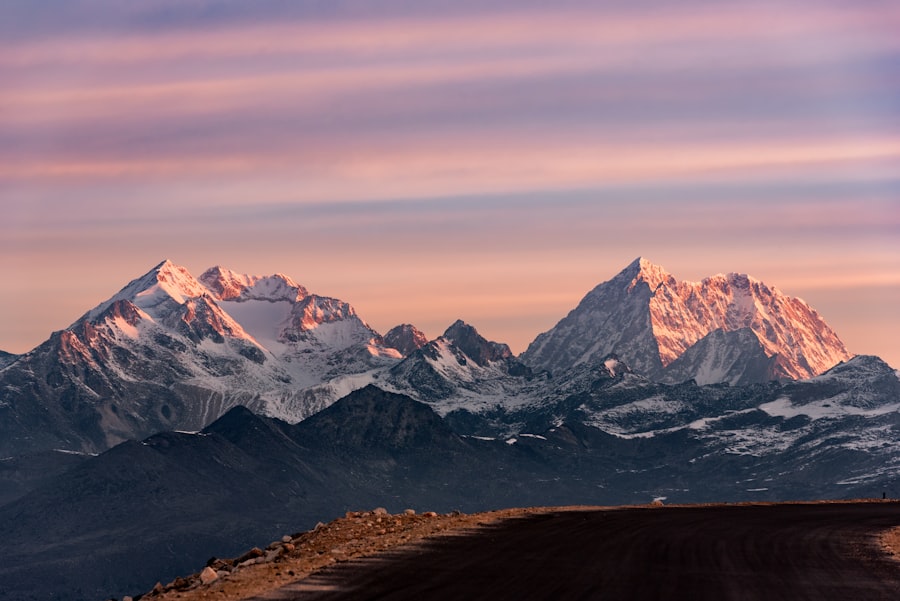
Mera Peak (6,476 m) is the highest trekking peak in Nepal and offers one of the most spectacular summits in the Himalayas. From the top you see five of the world’s six highest mountains: Everest, Lhotse, Cho Oyu, Makalu and Kanchenjunga.

The expedition approaches via the quiet Hinku Valley, providing excellent acclimatization and a true wilderness feel. Although the altitude is significant, the technical difficulty is moderate (Alpine PD), making Mera an achievable goal for fit trekkers with basic mountaineering skills. This 17-day itinerary includes all permits, climbing support and full logistics.

Day 1

Arrival in Kathmandu (1,400 m)

Airport welcome, hotel and detailed briefing for the Mera Peak expedition covering route, equipment and climbing plan. Overnight Kathmandu.

Arrival in Kathmandu (1,400 m)
Accommodation Hotel
Meals Dinner
Max Altitude 1,400 m
Distance Airport transfer
Day 2

Fly to Lukla, trek to Paiya (Puiyan)

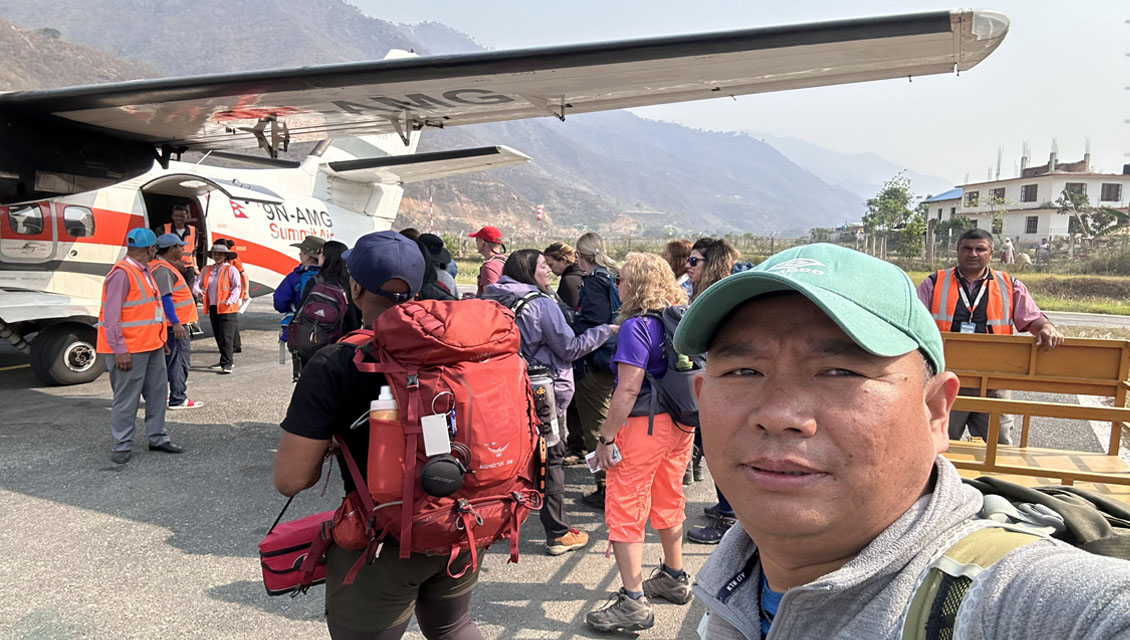
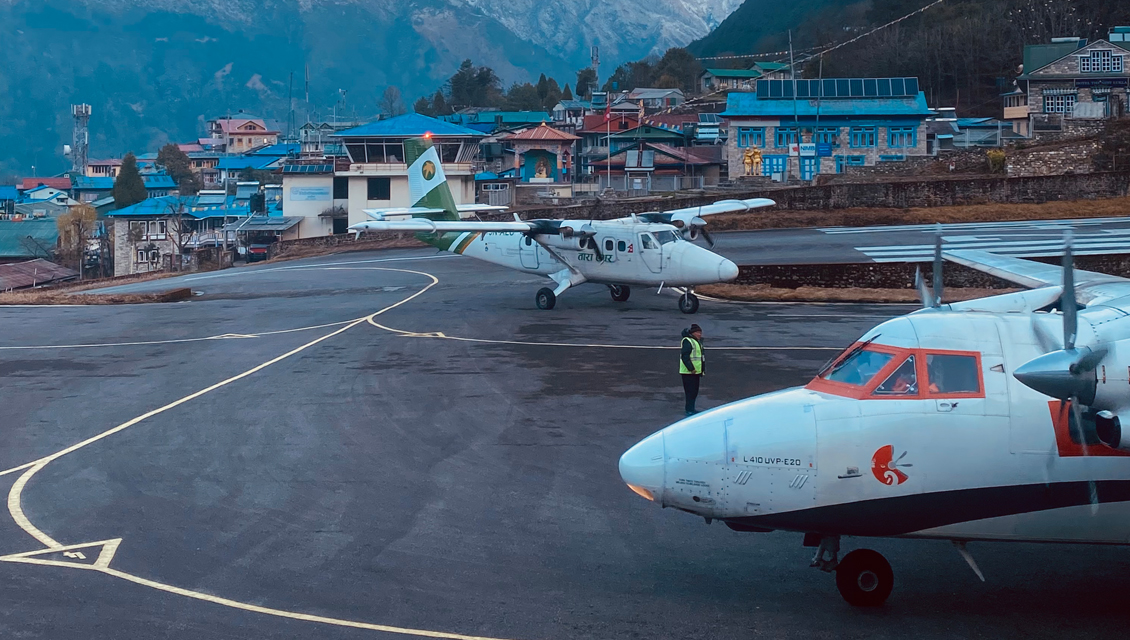
Mountain flight to Lukla. Begin the remote approach through pine forests and Sherpa settlements to Paiyan/Puiyan (4–5 hours). Overnight teahouse.

Fly to Lukla, trek to Paiya (Puiyan)
Accommodation Teahouse
Meals Breakfast, Lunch, Dinner
Max Altitude 2,800 m
Distance Flight + 4–5 hrs
Day 3

Trek to Panggom

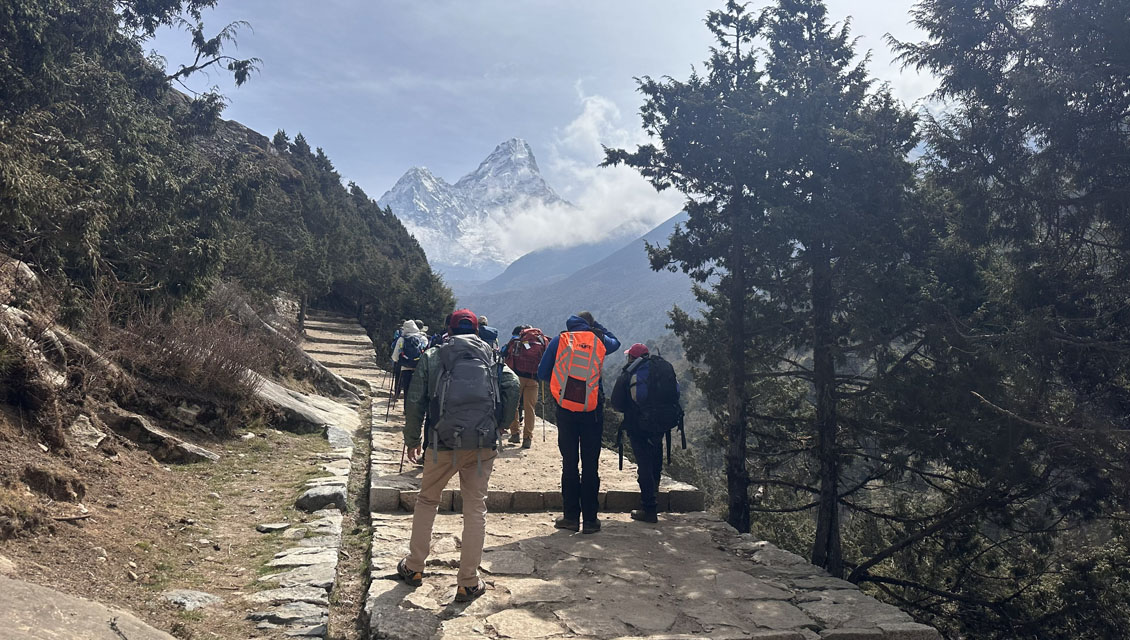
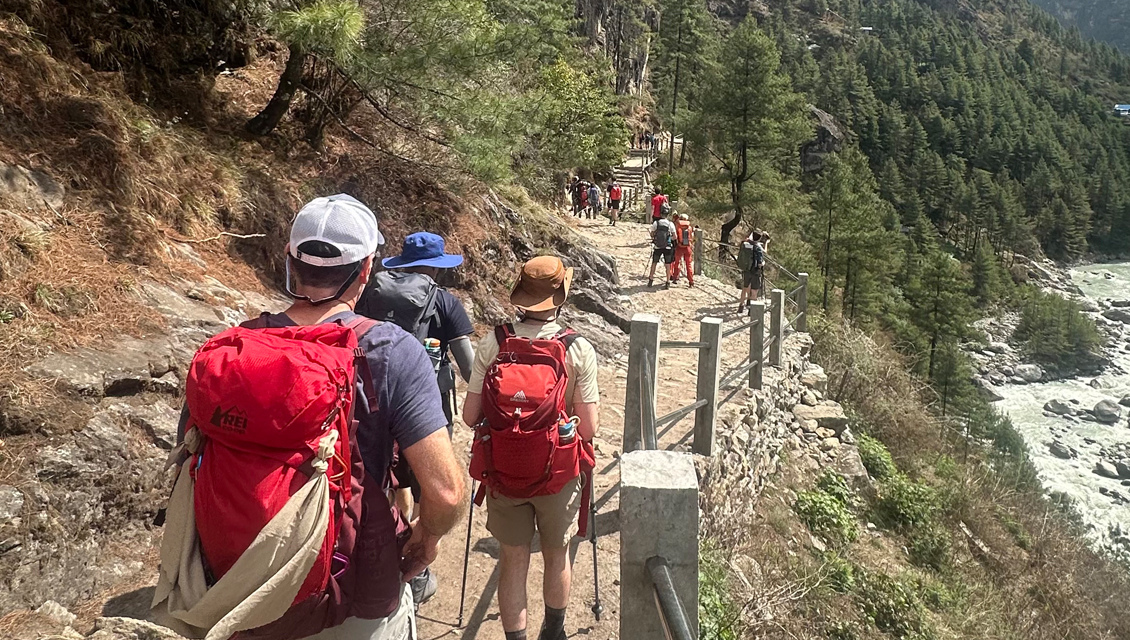
Trail follows ridges and valleys through dense rhododendron and bamboo forests. Pass small Rai and Sherpa settlements (5–6 hours). Overnight Panggom.

Trek to Panggom
Accommodation Teahouse
Meals Breakfast, Lunch, Dinner
Max Altitude 2,850 m
Distance 5–6 hours
Day 4

Trek to Ningsow

Enter a less-travelled section of the Everest region through forests rich in wildlife. Viewpoints over the Dudh Koshi Valley (5–6 hours). Overnight Ningsow.

Trek to Ningsow
Accommodation Teahouse
Meals Breakfast, Lunch, Dinner
Max Altitude 2,850 m
Distance 5–6 hours
Day 5

Trek to Kothe (via Chhatra Khola)

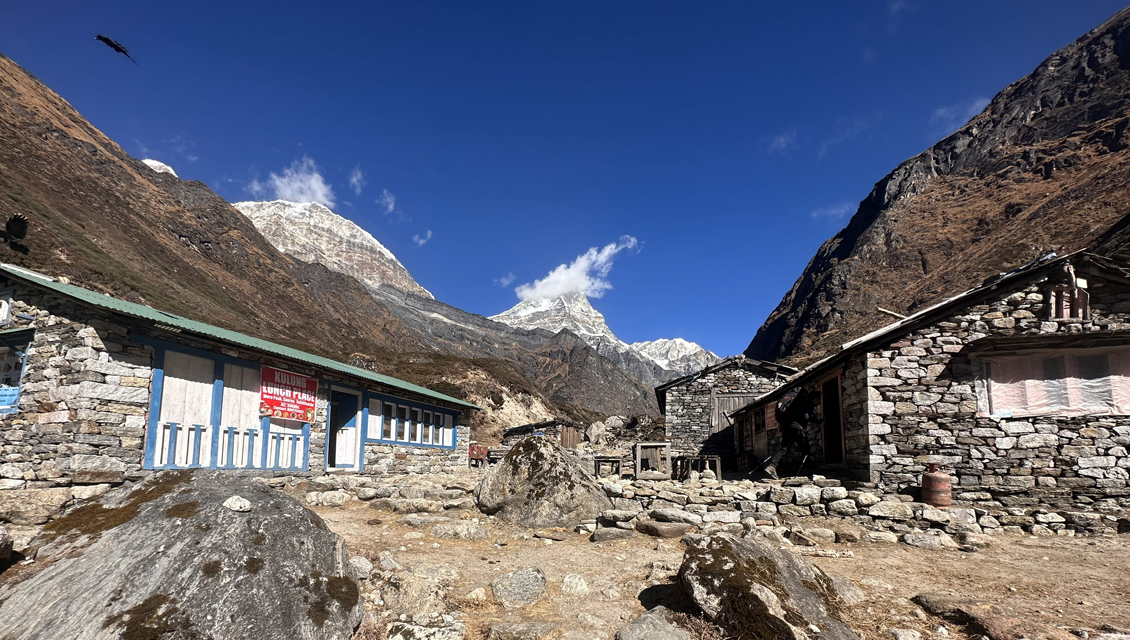
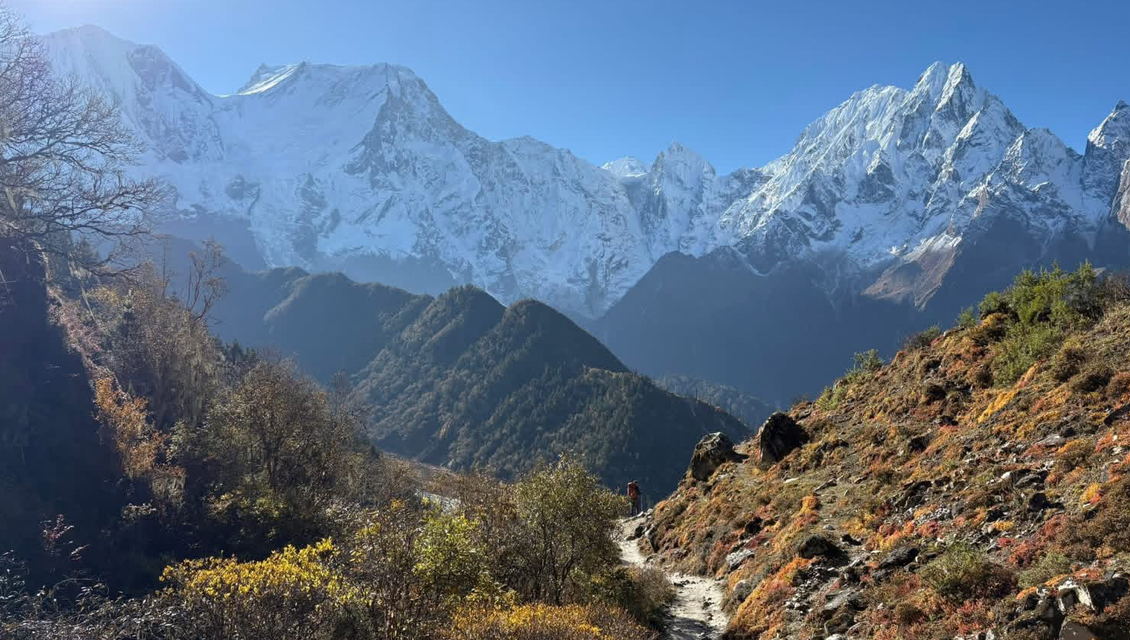
Descend then enter the pristine Hinku Valley. First clear views of Mera Peak possible. Follow the Hinku River to Kothe (6–7 hours). Overnight Kothe.

Trek to Kothe (via Chhatra Khola)
Accommodation Teahouse
Meals Breakfast, Lunch, Dinner
Max Altitude 3,600 m
Distance 6–7 hours
Day 6

Trek to Thangnak (Thagnak)

Climb steadily through alpine meadows and yak pastures with magnificent glacier and peak views (4–5 hours). Overnight Thangnak.

Trek to Thangnak (Thagnak)
Accommodation Teahouse
Meals Breakfast, Lunch, Dinner
Max Altitude 4,350 m
Distance 4–5 hours
Day 7

Acclimatization at Thangnak

Short hike to a nearby ridge or toward Sabai Tsho Lake for acclimatization. Rest and prepare for higher camps. Overnight Thangnak.

Acclimatization at Thangnak
Accommodation Teahouse
Meals Breakfast, Lunch, Dinner
Max Altitude 4,350 m
Distance 2–3 hours
Day 8

Trek to Khare (5,045 m)

Traverse glacial moraine and rocky terrain. First close-up view of the Mera summit route (3–4 hours). Overnight Khare.

Trek to Khare (5,045 m)
Accommodation Teahouse
Meals Breakfast, Lunch, Dinner
Max Altitude 5,045 m
Distance 3–4 hours
Day 9

Acclimatization and climbing training at Khare

Full day of mountaineering preparation. Instruction on crampons, ice axe, harness, ascenders and fixed ropes. Practice on nearby snow slopes. Overnight Khare.

Acclimatization and climbing training at Khare
Accommodation Teahouse
Meals Breakfast, Lunch, Dinner
Max Altitude 5,045 m
Distance 3–4 hours training
Day 10

Trek to Mera High Camp (5,780 m)

Climb onto the Mera Glacier and continue to High Camp on a rocky outcrop with panoramic views of five 8,000 m peaks (5–6 hours). Overnight camping.

Trek to Mera High Camp (5,780 m)
Accommodation Camping
Meals Breakfast, Lunch, Dinner
Max Altitude 5,780 m
Distance 5–6 hours
Day 11

Summit Mera Peak (6,476 m) and return to Khare

Very early summit push. From the top, views of Everest, Lhotse, Cho Oyu, Makalu and Kanchenjunga. Long careful descent to Khare (10–12 hours).

Summit Mera Peak (6,476 m) and return to Khare
Accommodation Teahouse
Meals Breakfast, Lunch, Dinner
Max Altitude 6,476 m
Distance 10–12 hours
Day 12

Trek to Kothe

Begin descent through the Hinku Valley (5–6 hours). Overnight Kothe.

Trek to Kothe
Accommodation Teahouse
Meals Breakfast, Lunch, Dinner
Max Altitude 3,600 m
Distance 5–6 hours
Day 13

Trek to Thuli Kharka or similar

Continue out through forested ridges (5–6 hours). Overnight teahouse.

Trek to Thuli Kharka or similar
Accommodation Teahouse
Meals Breakfast, Lunch, Dinner
Max Altitude 4,300 m
Distance 5–6 hours
Day 14

Trek to Lukla

Final trail day back to Lukla (6–7 hours). Overnight Lukla.

Trek to Lukla
Accommodation Teahouse
Meals Breakfast, Lunch, Dinner
Max Altitude 2,860 m
Distance 6–7 hours
Day 15

Buffer day in Lukla

Spare day for weather delays on the mountain flight. Overnight Lukla.

Buffer day in Lukla
Accommodation Teahouse
Meals Breakfast, Lunch, Dinner
Max Altitude 2,860 m
Distance Buffer
Day 16

Fly to Kathmandu

Morning flight to Kathmandu. Hotel transfer. Overnight Kathmandu.

Fly to Kathmandu
Accommodation Hotel
Meals Breakfast
Max Altitude 1,400 m
Distance 35 min flight
Day 17

Departure

Airport transfer for your international flight.

Departure
Accommodation —
Meals Breakfast
Max Altitude 1,400 m
Distance Airport transfer

What is Included

  • Airport pickup and drop-off in Kathmandu by private vehicle
  • Hotel accommodation in Kathmandu on a twin-share basis with breakfast
  • All required trekking permits (Sagarmatha National Park, TIMS, local municipality fees)
  • Experienced, licensed English-speaking Sherpa guide for the full duration
  • Porter support (one porter for every two trekkers; max 20 kg combined)
  • Teahouse or lodge accommodation on the trail as per the itinerary
  • Three meals per day on the trek (breakfast, lunch, dinner) plus tea or coffee
  • Kathmandu–Lukla–Kathmandu flights or helicopter sectors where stated in the package
  • First-aid kit carried by the guide and basic pulse-oximeter checks at higher camps
  • Staff insurance, wages, meals and accommodation for guide and porters
  • Pre-trek briefing in Kathmandu covering route, altitude and packing
  • Company duffel bag for porters and a detailed route map or app guidance
  • Farewell dinner in Kathmandu after the trek (where applicable)
  • All government taxes and official service charges
×

Not Included

  • ×International airfare to and from Kathmandu
  • ×Nepal entry visa fees payable on arrival or online
  • ×Travel insurance with high-altitude trekking and helicopter evacuation cover (mandatory)
  • ×Lunch and dinner in Kathmandu except where a farewell dinner is included
  • ×Bottled water, soft drinks, alcoholic beverages and snacks on the trail
  • ×Hot showers, battery charging and Wi-Fi fees at teahouses
  • ×Personal trekking gear (boots, sleeping bag, down jacket, poles) — available for rent in Kathmandu
  • ×Tips for guide, porter and driver (customary at the end of the trip)
  • ×Extra nights in Kathmandu due to early arrival, late departure or flight delays
  • ×Costs arising from itinerary changes caused by weather, landslides, strikes or political events
  • ×Personal expenses such as laundry, phone calls and souvenirs
  • ×Optional side trips or activities not listed in the itinerary

What to Bring

  • Broken-in waterproof trekking boots with good ankle support
  • Down jacket rated for at least −15 °C and a waterproof hard-shell jacket
  • Layering system: moisture-wicking base layers, fleece mid-layer, insulated vest
  • Trekking trousers, shorts and moisture-wicking T-shirts for lower elevations
  • Warm hat, sun hat, buff or neck gaiter and liner gloves plus insulated gloves
  • Sunglasses with UV protection (category 3 or 4) and high-SPF sunscreen
  • Sleeping bag rated to at least −15 °C (rentals available in Kathmandu)
  • Trekking poles (highly recommended for descents and long days)
  • Headlamp with spare batteries and a personal water bottle or hydration bladder (2 L)
  • Personal first-aid kit, blister care, any prescription medication and altitude medication if advised by your doctor
  • Quick-dry towel, toiletries and water purification tablets or a filter
  • Power bank and charging cables for phone and camera

Equipment Needed

  • Waterproof trekking boots and gaiters for snow or muddy trails
  • Four-season sleeping bag (−15 °C or colder rating)
  • Down jacket and waterproof hard-shell jacket and trousers
  • Trekking poles with adjustable length
  • Backpack 30–40 L for day use and a duffel for porter loads
  • Headlamp, sunglasses and high-altitude sunscreen
  • Water bottles or hydration system with purification method
  • Warm gloves, hat and thermal base layers
  • Climbing harness, helmet and locking carabiners
  • Crampons compatible with your boots and a mountaineering ice axe
  • Ascender (jumar) and belay device for fixed-rope sections
  • Mountaineering boots suitable for crampons on summit day

About the Mera Peak Climbing

The Mera Peak Climbing is one of the most sought-after journeys in the Nepal Himalaya, designed for travelers who want a structured, safety-focused experience with experienced local guides. Over approximately 17 days you travel from Kathmandu into the high valleys of the Khumbu (or the designated region for this route), following trails used by Sherpa communities and mountaineering expeditions for generations. The maximum elevation on this itinerary reaches about 6,476 m, so careful acclimatization, honest pacing and clear communication with your guide are central to a successful trip.

This package is operated with a strong emphasis on responsible tourism: fair wages for porters and guides, required permits obtained in advance, and leave-no-trace practices on the trail. Whether you are aiming for a classic base-camp viewpoint, a panoramic lake ridge, a non-technical summit or a scenic helicopter sector, the itinerary balances walking days, rest and contingency time for mountain weather.

Altitude, fitness and preparation

Success on this route depends more on preparation than on pure athleticism. We recommend a training block of at least eight to twelve weeks before departure: regular cardiovascular exercise, long weekend hikes with a daypack, and strength work for legs and core. If you have little experience above 3,000 m, discuss altitude medication with your doctor and learn the early symptoms of acute mountain sickness. Our guides carry basic monitoring equipment and will not push clients who need an extra rest day or a descent.

Hydration, a steady intake of calories and disciplined sleep at teahouses make a measurable difference above Namche Bazaar and equivalent elevations on other routes. Alcohol is best avoided at higher camps. The itinerary includes acclimatization days precisely so that your body can adapt; use those days for short hikes rather than complete rest when your guide advises it.

Permits, logistics and flights

All park and local permits required for this package are arranged by our Kathmandu office. Domestic flights or helicopter sectors between Kathmandu and the mountain airstrip are booked according to the itinerary and are always subject to weather. We advise flexible international tickets or buffer nights in Kathmandu after the trek so that a delayed Lukla or heli return does not cause you to miss a homebound flight.

Luggage on fixed-wing and helicopter flights is weight-restricted. You will receive exact limits in your pre-departure pack. Soft duffels pack more easily into aircraft holds than hard suitcases. Porters carry the main bag on the trail; you keep a daypack with essentials for the walking hours.

Accommodation and meals

In Kathmandu you stay in a comfortable tourist hotel on a twin-share basis unless you request a single room (supplement applies). On the trail, teahouses provide simple rooms and hearty meals based on dal bhat, soups, noodles, eggs and porridge. Higher lodges have fewer menu options. Drinking water should be purified or purchased; our team can advise on safe refills at each stop. Special diets can be requested at booking so that guides can help communicate with lodge kitchens.

Safety, insurance and responsible travel

Travel insurance that covers trekking or climbing to the maximum altitude of this package, including helicopter evacuation, is mandatory. We check policy wording before you leave Kathmandu. Guides are first-aid trained and carry a group kit; serious incidents are coordinated with our office and evacuation providers. We ask all clients to follow guide instructions on turnaround times, weather windows and group pacing.

Please respect local culture: ask before photographing people, dress modestly in villages and monasteries, and avoid single-use plastics where possible. Supporting teahouse owners and local staff through your booking is one of the most direct ways tourism benefits Khumbu communities.

Who this package is for

This expedition suits fit trekkers who want to add a non-technical or semi-technical Himalayan summit to their experience. Prior trekking above 4,000 m is strongly recommended. Summit day is long and cold; mental resilience matters as much as strength. Our climbing staff provide instruction on fixed ropes and glacier travel before the push.

Booking and next steps

To reserve your place, contact our Kathmandu team with your preferred departure window and group size. A deposit secures permits and flight or heli seats. You will receive a full packing list, insurance requirements and a pre-trek briefing outline. We are happy to advise on gear rental in Thamel, visa procedures and connecting tours in Nepal before or after your mountain journey.

The Mera Peak Climbing remains one of the most memorable ways to experience the scale of the Himalaya. With realistic training, the right insurance and a trusted local operator, you can focus on the trail, the views and the culture that make this region unique.
This is a challenging high-altitude climbing expedition that combines trekking with technical summit days. You need excellent fitness, prior multi-day trekking experience and comfort with basic mountaineering skills. Our climbing guides train you on the glacier before the summit push.

The highest point on this itinerary is approximately 6,476 m. Proper acclimatization days are built into the schedule. Our guides monitor oxygen saturation and adjust pacing if anyone shows signs of altitude stress.

The preferred seasons are spring (March to May) and autumn (September to November). These months offer the most stable weather and clearest mountain views. Winter is possible for experienced travelers but is colder; the monsoon (June to August) brings rain and limited visibility.

Yes. Comprehensive travel insurance that covers trekking or climbing up to the maximum altitude of this package, plus emergency helicopter evacuation, is mandatory. We verify policy details before departure from Kathmandu.

Porters carry up to about 20 kg for every two trekkers. You carry a daypack with water, layers, camera and personal items (typically 5–7 kg). A company duffel is provided for the main bag that the porter transports between lodges.

Teahouses offer simple twin rooms with foam mattresses, pillows and blankets. Dining rooms are heated in the evening. Toilets may be shared. Higher up, facilities become more basic. Luxury or upgraded lodges apply only where stated in the package description.

Lukla flights depend on weather. Delays are common in both directions. We recommend buffer days in Kathmandu after the trek. Helicopter charter is an optional alternative at extra cost when fixed-wing flights are cancelled for extended periods.

Yes. Vegetarian, vegan and many allergy-based diets can be arranged if we are informed at booking. Teahouse menus are based on dal bhat, noodles, soups and Western-style breakfasts; variety decreases at higher elevations.

Ready for this journey?

Tell us your preferred dates and group size. We will take care of the rest.

Start Planning
Plan Your Trek

Your budget. Your customisation.

Tell us your dates, group size and budget. We will craft an Everest journey that fits — trek, peak or heli.

  • Budget-friendly or private
  • Fully customisable itineraries
  • Local Sherpa-led departures

Enquire now

We reply within one business day.